Beyond the Jeep Track: Exploring the Stunning Udawalawe Reservoir and Dam

Sithmi Fernando
Safari Writer
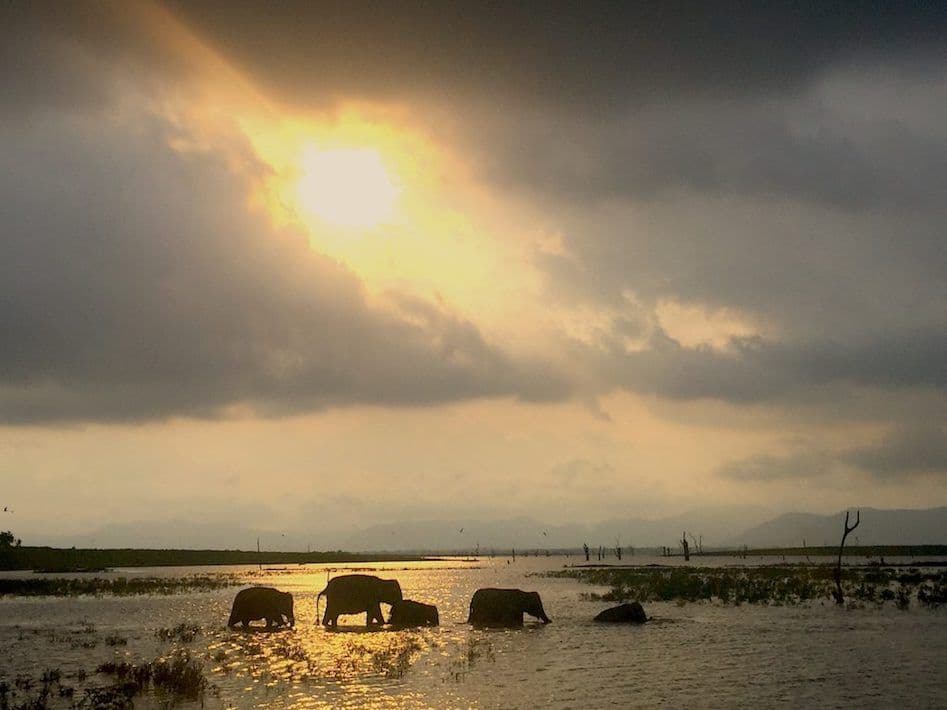
When you are bouncing around in the back of a safari jeep, you will inevitably end up at the water's edge. Your guide will point to the vast, glimmering sheet of water and say, "Udawalawe Reservoir." You watch the elephants drink, take a photo, and drive away.
But the reservoir is more than just a water bowl for elephants. It is the beating heart of the entire region, an engineering giant, and if you know where to go one of the most beautiful, peaceful, and free scenic spots in Sri Lanka.
Most tourists only see the water from inside the park. However, exploring the reservoir from the outside specifically along the massive dam (bund) offers a completely different perspective, one filled with local culture, mountain views, and solitude.
The Lifeblood of the Region
To understand Udawalawe, you must understand the water. The Udawalawe National Park essentially exists because of this reservoir.
Constructed across the Walawe River in the late 1960s, the dam was built to provide irrigation for agriculture and hydroelectric power. The displacement of wild animals during this construction is actually what led to the creation of the National Park as a sanctuary. Today, looking out over the water, you aren't just looking at a lake; you are looking at the reason the elephants are still here.
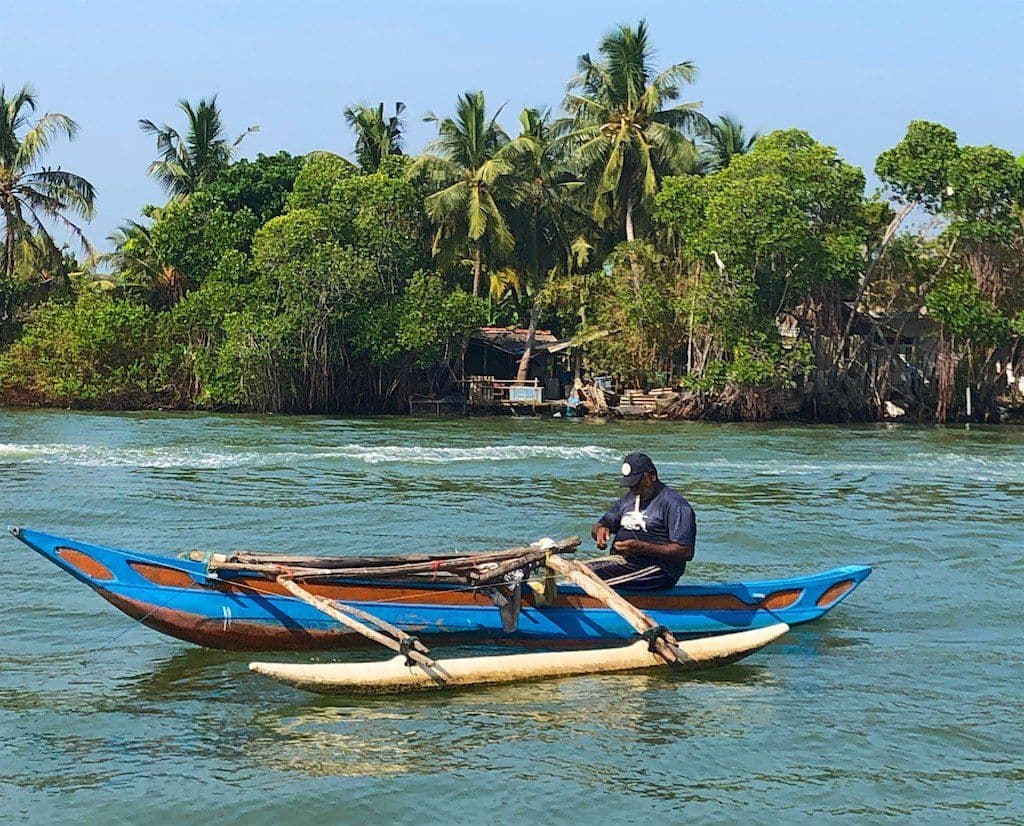
As you drive along the dam, you will see the human side of this ecosystem. Local fishermen in traditional narrow canoes (Oruwas) glide silently across the glass-like surface, checking nets for Tilapia the very fish you might eat for lunch later.
An Engineering Marvel
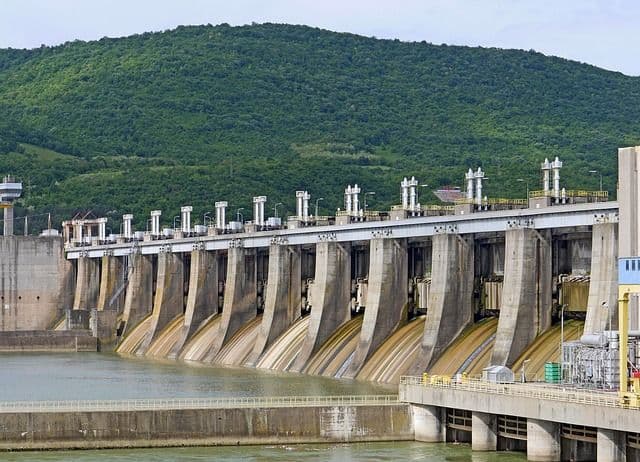
The sheer scale of the dam is difficult to appreciate until you are standing on it. The embankment is kilometers long, holding back millions of cubic meters of water.
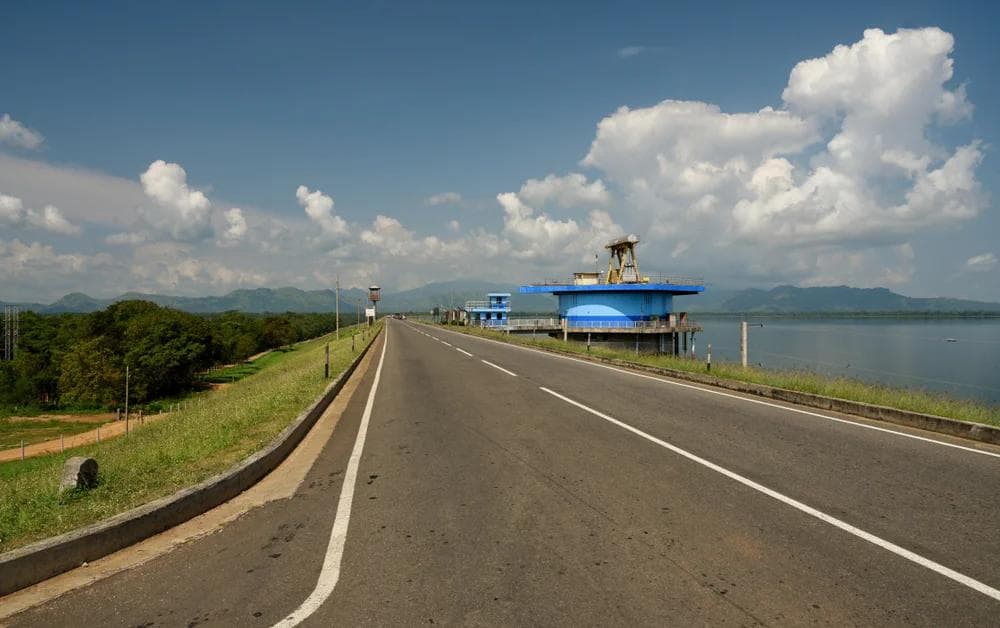
Walking or driving along the top of the bund (the main B427 road runs right across it) gives you a sense of vertigo. On one side, a sheer drop down to the villages and paddy fields below; on the other, a seemingly endless ocean of freshwater. It is a stark reminder of how modern engineering and raw nature coexist in Sri Lanka.
The Best Free View in Town
You do not need a safari ticket to enjoy this view. The road across the dam is a public highway.
The Golden Hour Hack: If you have finished your safari by 6:00 PM, or if you are arriving in town late afternoon, head straight to the dam road about 30 minutes before sunset.
- The Backdrop: You aren't just looking at water. Look across the reservoir to the north. Those towering, misty peaks in the distance are the central highlands of Sri Lanka Haputale, Ella, and the distinct gap in the mountains.
- The Light: As the sun dips, the water turns into a mirror. The colors shift from blue to purple to fiery orange. It is quiet, windy, and utterly spectacular.
Safety First: Look, Don't Touch
The water looks inviting, especially in the heat. It looks calm. It looks perfect for a swim.
Do not swim.
This is not a swimming pool; it is a wild ecosystem. The reservoir is home to a significant population of Mugger Crocodiles. They are masters of camouflage and can be found even in the shallow edges near the embankment. Locals bathe in specific, protected areas that they know are safe, but for a visitor, the risk is not worth it. Stay on the embankment, enjoy the breeze, and keep your feet dry.
How to Visit
- Location: The main dam is located on the road connecting Udawalawe town to Thanamalwila. It is impossible to miss if you are driving through the area.
- Cost: Completely Free.
- Best Mode: A Tuk-Tuk ride along the dam is fantastic. The open sides allow you to see the view unobstructed. Ask your driver to stop at a safe point on the bund so you can step out and take photos.
This is the perfect "filler" activity for that awkward gap between lunch and dinner. It offers a moment of reflection literally and figuratively on the massive force of water that sustains the elephants, the farmers, and the jungle itself.
Enjoyed this story? Share it
About the Author
Sithmi Fernando
A passionate wildlife explorer and travel storyteller dedicated to uncovering the majestic elephant herds, epic whale watching encounters, legendary surf breaks, and the laid-back tropical spirit of Mirissa — the jewel of Sri Lanka's southern coastline.