Morning vs. Evening Safari: Which Time is Best for Photography and Sightings?

Adam Foster
Safari Writer
One of the most common questions travelers ask when planning their trip to Udawalawe National Park is: "Should I book the morning or the evening safari?"
While both options offer the chance to see the park's famous elephants, the experience and the photographic results are vastly different. The choice ultimately depends on what you want to see, your tolerance for heat, and the kind of photos you are hoping to capture. Here is a realistic breakdown of the pros and cons of each time slot to help you decide.
The Morning Safari: 6:00 AM Start
The morning safari typically starts at the crack of dawn. You will need to be at the park gate by 6:00 AM, which often means waking up around 5:00 AM or 5:30 AM depending on where your accommodation is located.
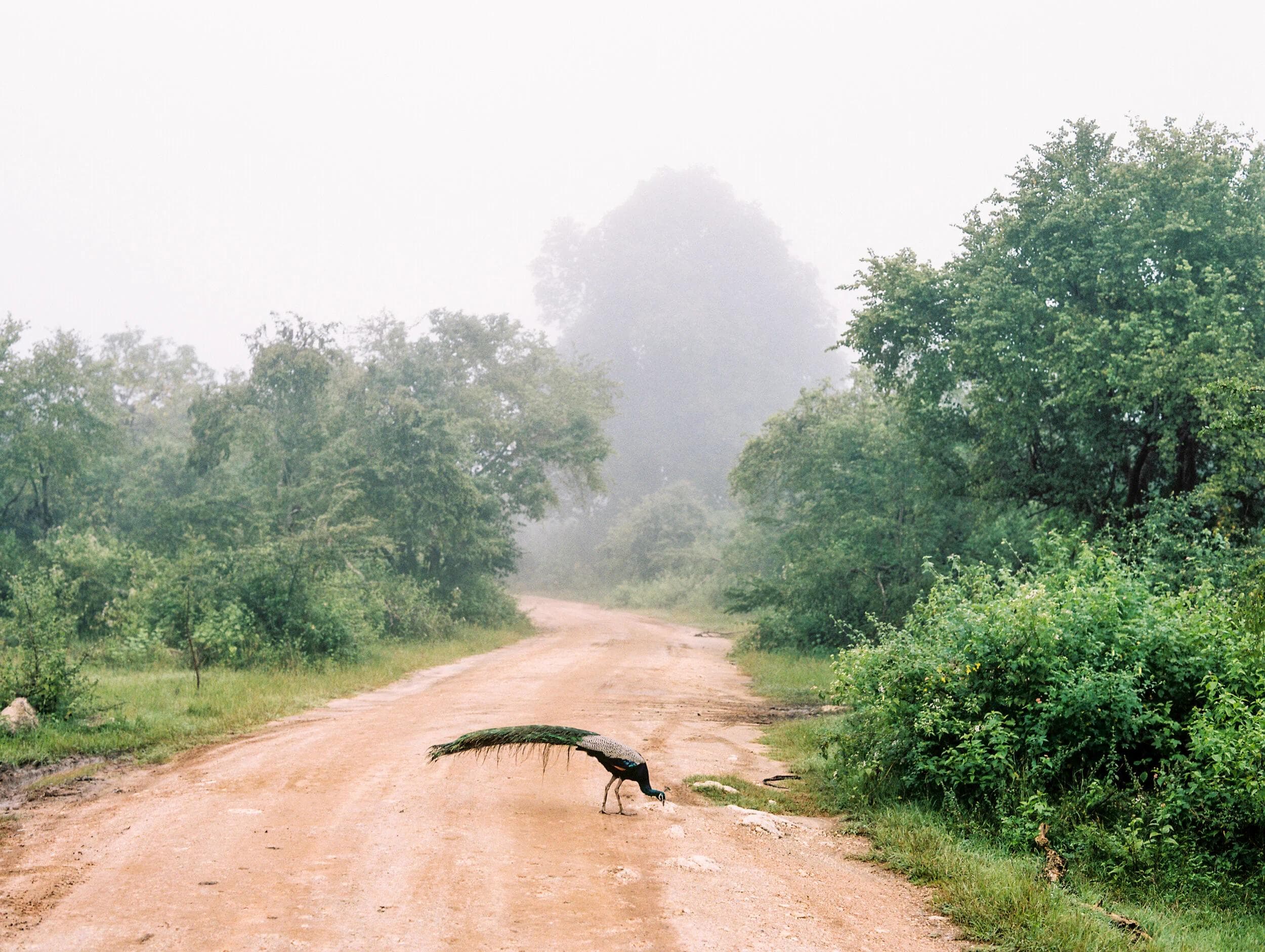
The Experience: The Awakening Jungle There is a unique magic to the park as it wakes up. The air is cool and crisp, often requiring a light jacket. As you enter the park, you might see mist rising off the reservoir and the grasslands. This is the most active time for the park's predators (like the elusive jackal or jungle cat) and the best time for birdwatching, as the avian residents are most vocal and active in the cool morning air.
Photography Potential: Soft Light and Birds For serious photographers, the first hour of the morning safari (6:00 AM - 7:30 AM) offers soft, diffused light that is perfect for capturing intricate details without harsh shadows. The "blue hour" transitions into a gentle golden glow, making it ideal for landscape shots and bird photography. However, as the sun rises higher (post-9:30 AM), the light can become harsh quickly.
- Best For: Bird watchers, those who prefer cooler temperatures, and photographers looking for soft, atmospheric shots.
Why Experienced Guides Avoid Midday
Between 11:00 AM and 2:00 PM, the Sri Lankan sun is at its peak. During this time, the heat can be intense.
The "Green House" Effect Most animals, including elephants, will seek shade deep within the scrub jungle to escape the heat. They become lethargic and harder to spot. For photography, the overhead sun creates unflattering, deep shadows and "flat" images with high contrast. Unless you are on a full-day safari, it is highly recommended to relax at your hotel pool or enjoy a long lunch during these hours.
The Evening Safari: 2:30 PM / 3:00 PM Start
The evening safari usually begins in the mid-afternoon and lasts until the park closes at 6:00 PM.
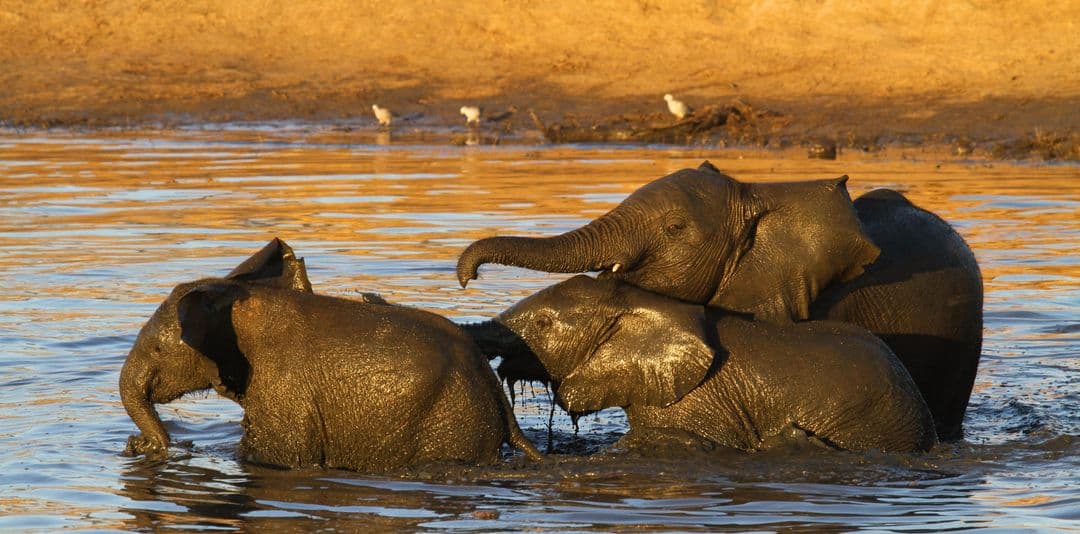
The Experience: The Thirst Quench As the afternoon heat begins to wane, the park’s wildlife emerges from the shade to drink. This is the prime time to see large herds of elephants making their way to the reservoir and waterholes. The social dynamics of the herds are often more visible now as they bathe, play, and interact by the water.
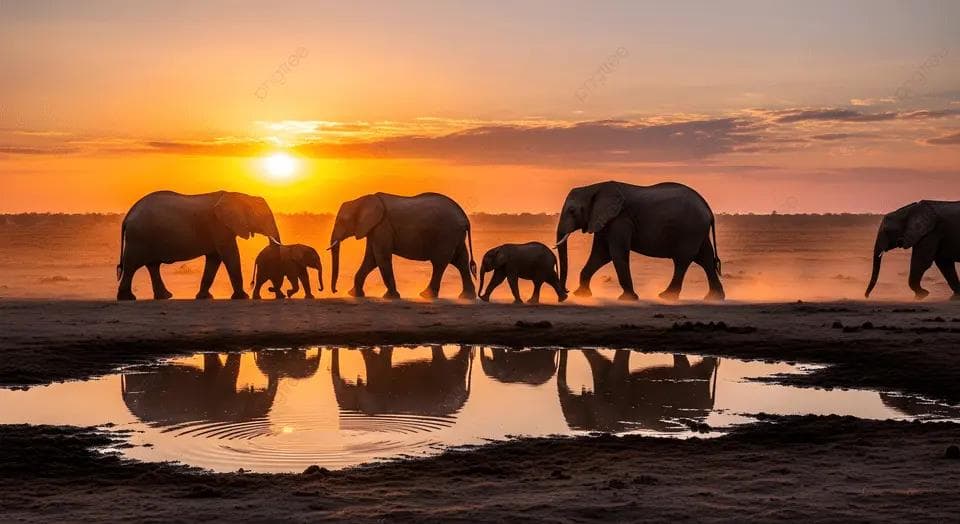
Photography Potential: The Golden Hour This is widely considered the "money shot" time for elephant photography. From roughly 4:00 PM to 5:45 PM, the sun drops lower, bathing the entire park in a rich, warm, golden light. This light illuminates the dust kicked up by the elephants, creating dramatic, texture-rich images. The final 20 minutes before exit often provide stunning silhouette opportunities against a colorful sunset sky.
- Best For: Seeing large herds of elephants, landscape photography, sunset lovers, and those who aren't "morning people."
The Verdict
If you have the time and budget, the best way to experience Udawalawe is to do both.
However, if you must choose one:
- Choose the Morning if you are a bird enthusiast or want to beat the heat.
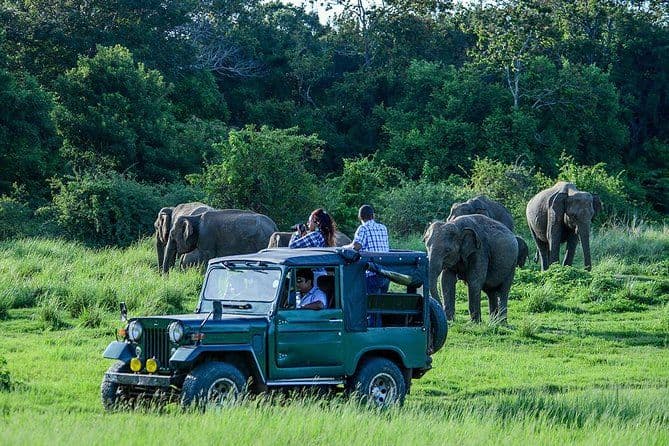
- Choose the Evening if your main goal is to see maximum elephant numbers and capture that classic, warm safari aesthetic.
Whichever you choose, the open plains of Udawalawe ensure that you rarely leave disappointed.
Enjoyed this story? Share it
About the Author
Adam Foster
A passionate wildlife explorer and travel storyteller dedicated to uncovering the majestic elephant herds, epic whale watching encounters, legendary surf breaks, and the laid-back tropical spirit of Mirissa — the jewel of Sri Lanka's southern coastline.