Spice Levels and Flavor: Your Guide to Ordering the Perfect Sri Lankan Dhal Curry

Nethumi Perera
Safari Writer
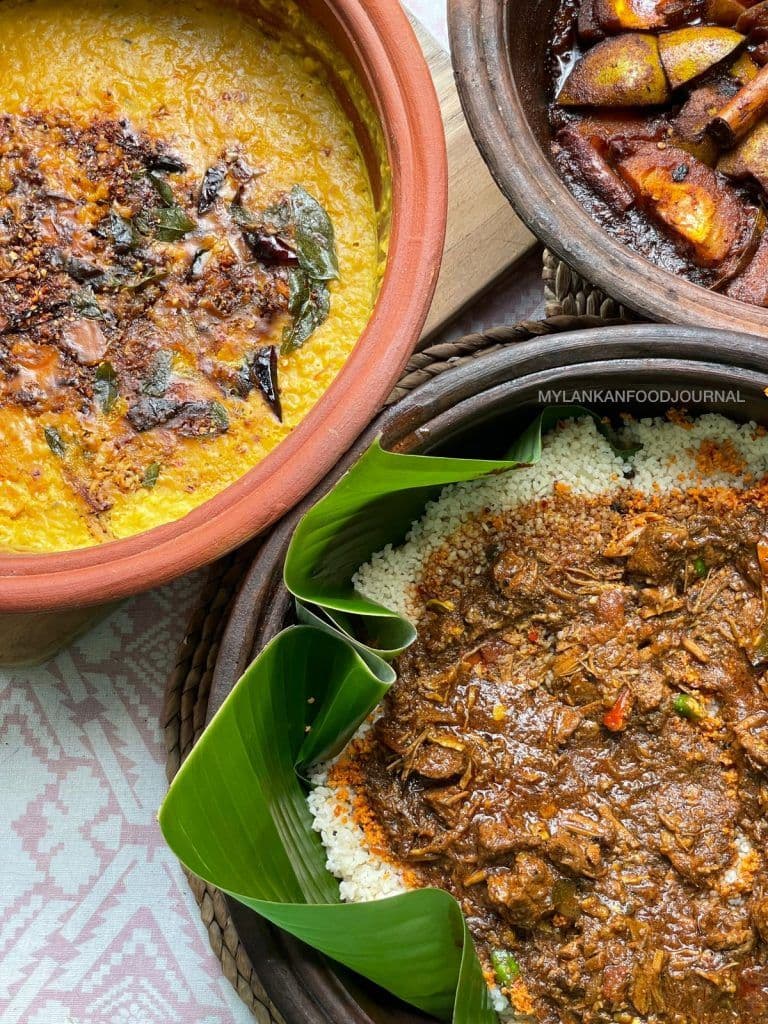
If you eat three meals a day in Udawalawe, chances are you will eat Dhal (Parippu) three times a day.
It is the heartbeat of Sri Lankan cuisine. Whether you are at a luxury safari lodge or a tin-roofed truck stop, Dhal is always on the table. But for travelers worried about the legendary "Sri Lankan Spice," looking at a table of fiery red curries can be intimidating.
Here is the good news: Dhal is your safe haven. It is your creamy, coconutty best friend. But not all Dhal is created equal. Here is how to understand the flavor profile, gauge the spice level, and identify a truly great Udawalawe Dhal.
What is it, Exactly?
Sri Lankan Dhal is almost exclusively made from Red Lentils (Masoor Dhal). Unlike Indian Dals which might use larger yellow lentils or chickpeas, the red lentil breaks down quickly when cooked.
The magic ingredient that separates Sri Lankan Dhal from its Indian neighbor is Coconut Milk. The lentils are boiled until soft, and then a generous amount of thick coconut milk is added. This turns the curry into a rich, velvety stew rather than a watery soup. The vibrant yellow color comes from Turmeric an anti-inflammatory root that is used generously in every pot.
The Spice Level: The "White Curry" Safety Net
If you are terrified of chili heat, Dhal is the dish you are looking for.
In Sri Lankan culinary terms, dishes are often categorized as "Red Curries" (Hot/Chili-based) or "White Curries" (Coconut/Milk-based). Dhal is the King of White Curries.
The Flavor Profile:
- Primary Taste: Creamy, savory, and slightly sweet from the coconut milk.
- Secondary Taste: Earthy (from the turmeric) and aromatic (from the curry leaves and pandan leaves).
- Heat Level: Typically 0/10 to 2/10.
- Note: You might see a green chili floating in it. This is usually for flavor, not intense heat. Unless you bite directly into that green chili, the curry itself remains mild.
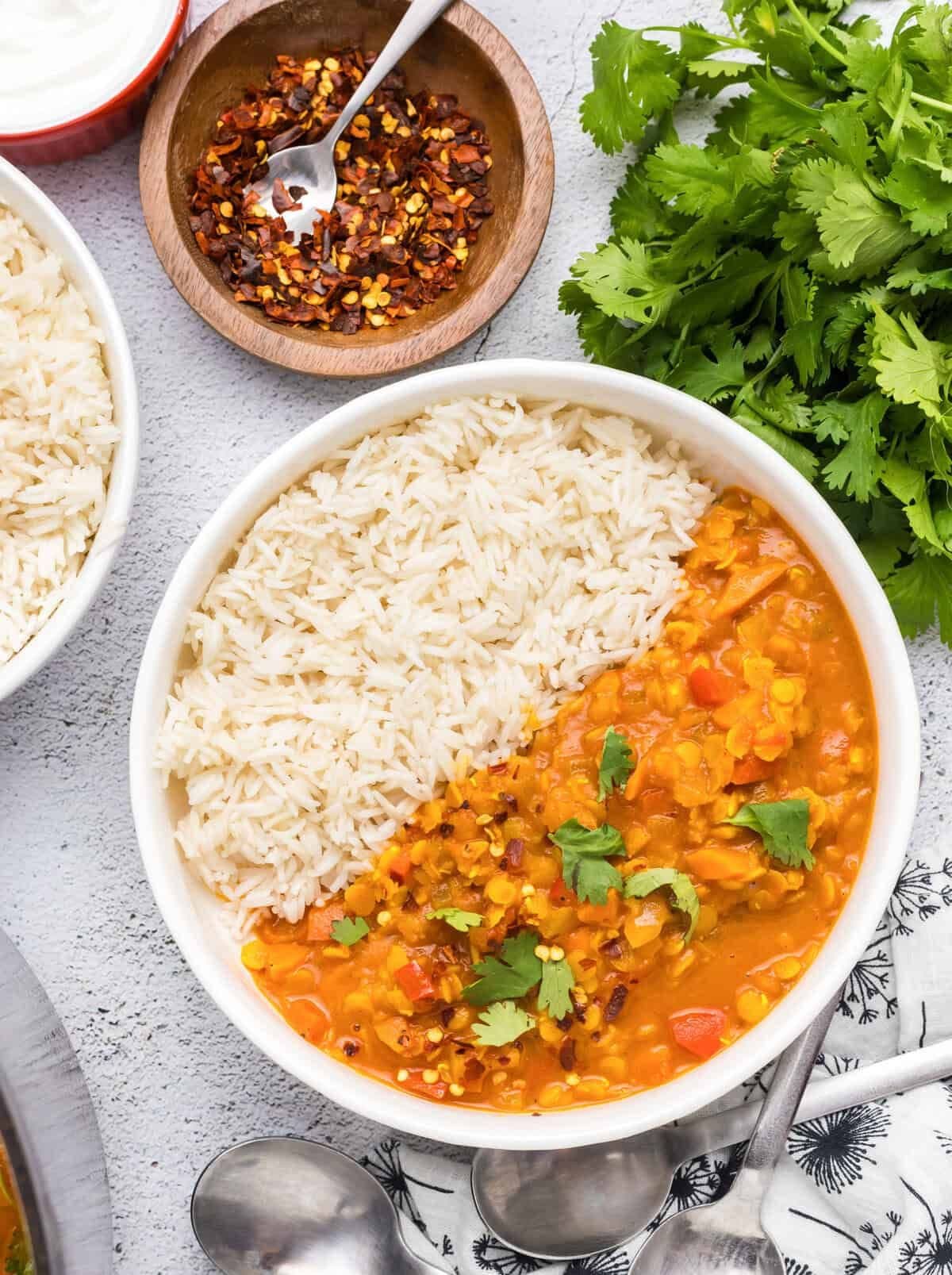
The Secret Weapon: "Tempered" Dhal (Parippu Thalala)
While the base curry is mild, the flavor explosion comes from the Tempering.
This is a technique where oil is heated in a separate small pan until smoking hot. Mustard seeds, cumin, sliced onions, garlic, curry leaves, and dried red chilies are thrown in. They sizzle, pop, and caramelize in seconds.
This aromatic hot oil mixture is then poured over the creamy cooked dhal just before serving.
- Pro Tip: If you see dark brown, caramelized onions and speckles of black mustard seeds on top of your dhal, you know the chef has put in the extra effort. This adds a smoky, crunchy dimension to the soft lentils.
The Gold Standard: How to Judge a Good Dhal
In Udawalawe, where produce is fresh, you should expect high standards. A bad dhal is easy to spot:
- Bad Dhal: Watery, pale yellow, and the lentils are separated from the liquid. This means they skimp on the coconut milk.
- Good Dhal: Thick, opaque, and golden. The lentils have broken down into a porridge-like consistency that clings to your rice.
How to Eat It: The Mixer
You rarely eat Dhal on its own like a soup. It is designed to be a binder.
Because Sri Lankan food involves mixing dry rice with wet curries, the Dhal acts as the "sauce" that brings everything together.
- With Rice: Pour a mountain of dhal over your rice. Add a little bit of the spicy chicken or fish curry. Mix it all together. The Dhal dilutes the heat of the meat curry, creating the perfect bite.
- With Bread: Ask for "Roast Paan" a flat, crusty bread that is toasted in a wood-fired oven. Dunk the crispy crust into the soft dhal. It is the ultimate dipping experience.
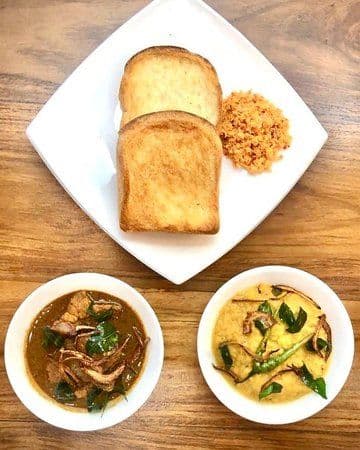
Summary for the Cautious Eater
If you are ordering at a local spot and want to be absolutely sure:
- Ask: "Is the Parippu spicy?" (The answer is almost always no).
- Look: If it is bright yellow, you are safe. If it has a layer of red oil on top, proceed with caution (though this is rare for dhal).
In a world of fiery spices, the humble Dhal curry is the comforting hug you need after a long day in the jungle.
Enjoyed this story? Share it
About the Author
Nethumi Perera
A passionate wildlife explorer and travel storyteller dedicated to uncovering the majestic elephant herds, epic whale watching encounters, legendary surf breaks, and the laid-back tropical spirit of Mirissa — the jewel of Sri Lanka's southern coastline.