Sweet Satisfaction: The Best Places to Try Buffalo Curd and Kithul Treacle

Nethumi Perera
Safari Writer
After the heat of a safari and the spice of a rice and curry lunch, your palate craves something cool, creamy, and sweet. In Udawalawe, and indeed across the entire deep south of Sri Lanka, there is one dessert that reigns supreme: Buffalo Curd and Kithul Treacle.
Known locally as Kiri Pani (Milk and Honey), this is not your average supermarket yogurt. It is a rich, probiotic powerhouse made from the high-fat milk of the water buffaloes you likely saw lounging in the mud during your game drive. For culinary travelers, tasting authentic "Meekiri" (Buffalo Curd) is as essential to the southern experience as seeing an elephant.
The Clay Pot Secret
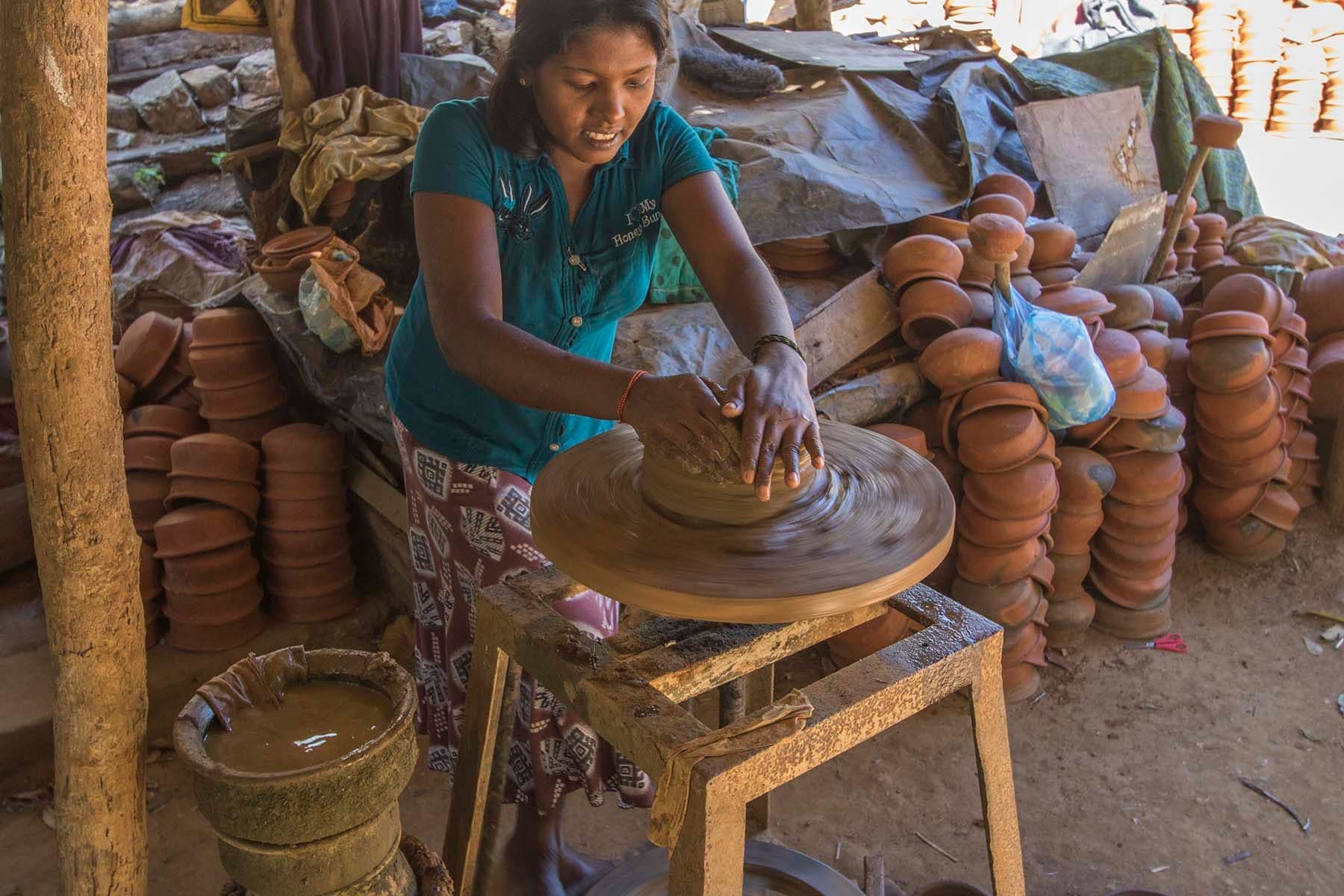
The first thing you will notice is the packaging. Authentic curd is never sold in plastic tubs; it is set and sold in terracotta clay pots known as Chatties.
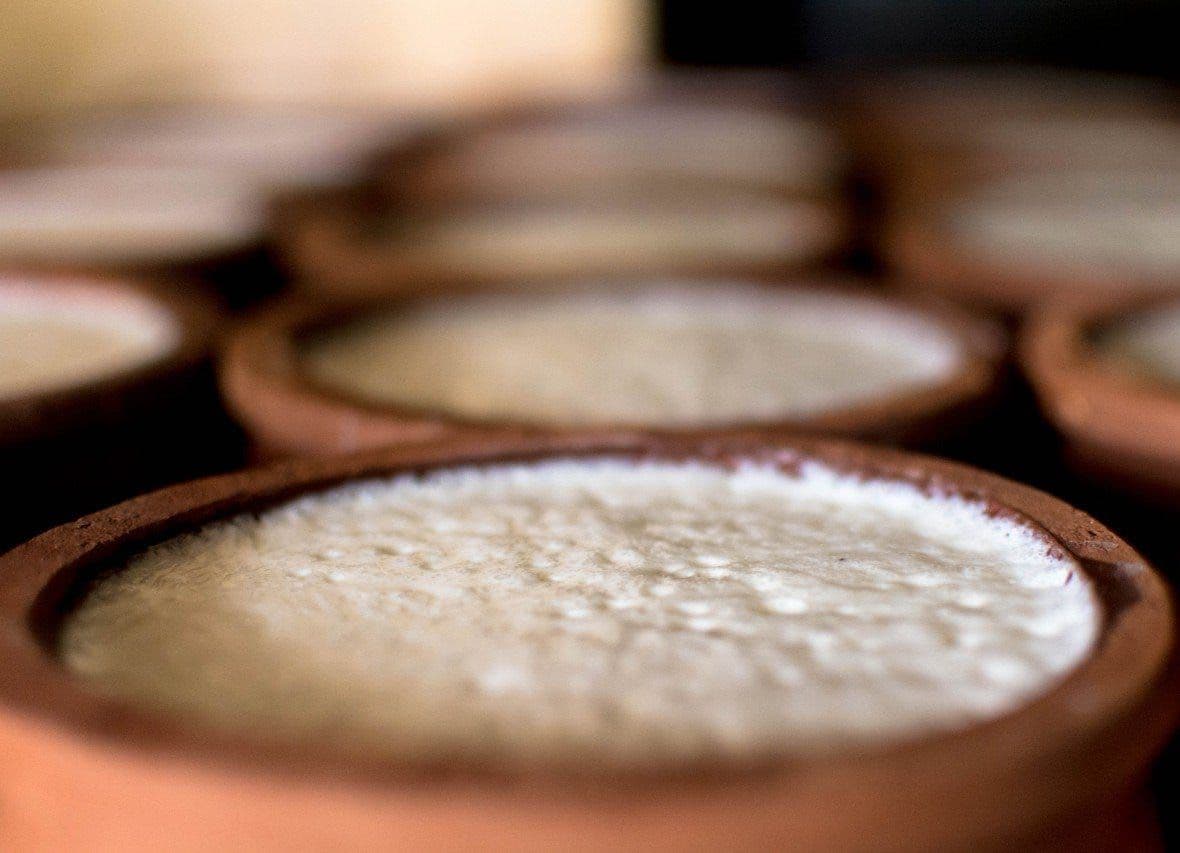
This is not just for aesthetics. The porous nature of the clay absorbs excess moisture from the curd as it sets, resulting in a product that is incredibly thick, firm, and velvety similar to a Greek yogurt but with a higher fat content (around 8-9%) and a richer mouthfeel. The clay also acts as a natural cooler, keeping the curd fresh at room temperature for longer than you might expect, which is crucial in the tropical heat.
The Perfect Marriage: Sour and Sweet
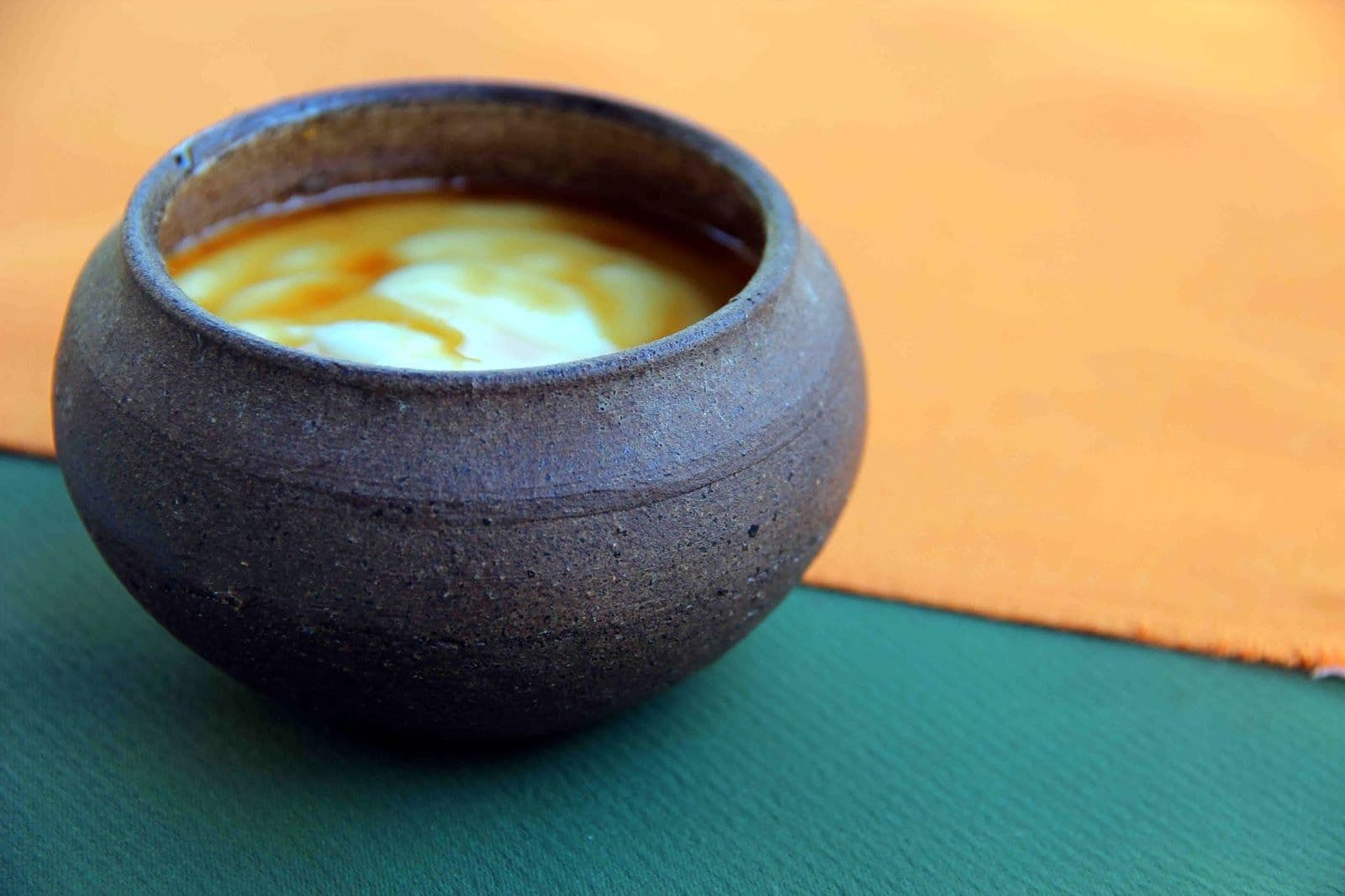
On its own, buffalo curd is quite sour more so than cow's milk yogurt. It has a tangy, earthy funk that can be surprising to the uninitiated. This is where the Treacle (Pani) comes in.
To eat it like a local, you scoop a generous portion of the thick white curd into a bowl and drown it in a dark, amber syrup. The sweetness of the syrup cuts through the sourness of the curd perfectly. It is a flavor combination that rivals strawberries and cream or salted caramel.
What is Kithul Treacle?
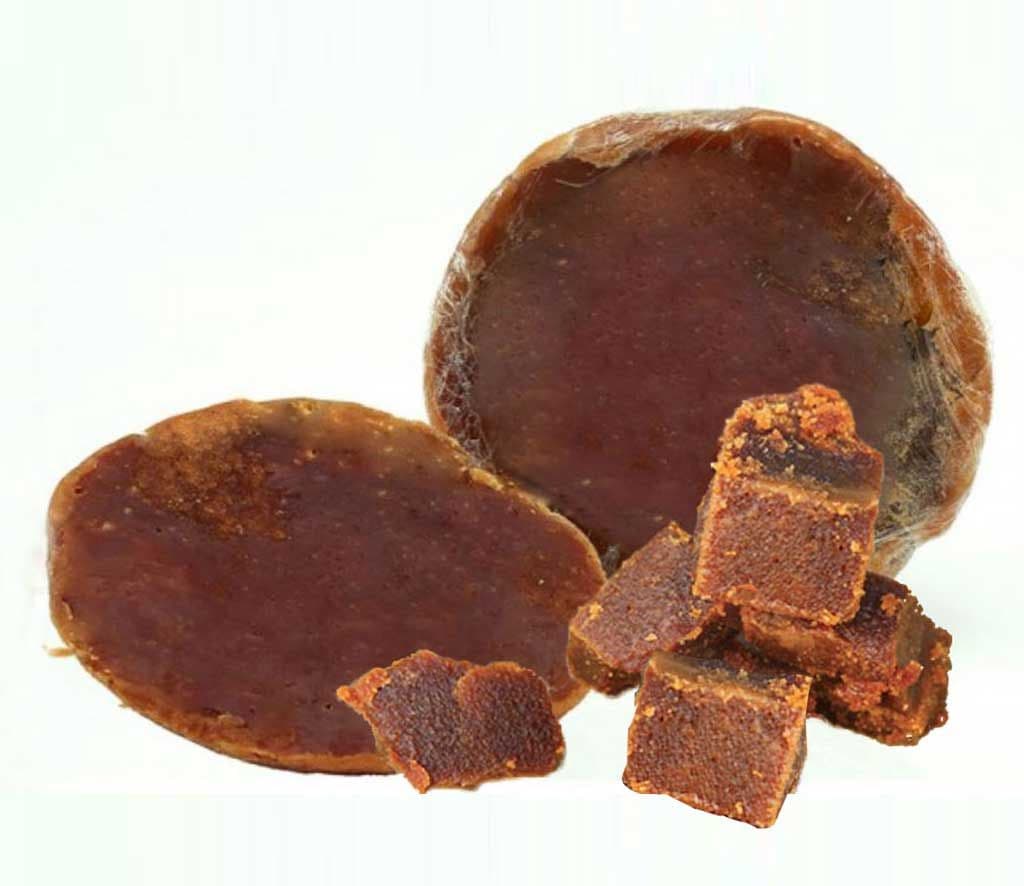
Do not mistake this for maple syrup or honey. Kithul Treacle is a sap tapped from the drooping flower cluster of the Fishtail Palm (Caryota urens).
It has a complex, smoky, woody flavor with hints of caramel and dates. It is entirely vegan and has a lower glycemic index than refined sugar. In the Udawalawe region, the treacle is liquid gold. You will often see it sold in repurposed glass alcohol bottles don't be alarmed by the label on the bottle; the dark liquid inside is pure, non-alcoholic sweetness.
Where to Find the Best Curd
You won't have to look hard. The roads leading to and from Udawalawe, especially the drive toward Tissamaharama or the coast, are lined with small, family-run stalls.
The "Curd Road": If you are driving south from Udawalawe towards Hambantota, you will pass through towns like Panama or Ridiyagama, often dubbed "Curd Country." Here, families have been making curd for generations.
How to Spot Quality:
- Look for the Stalls: Stop at a roadside hut that has piles of pots stacked out front.
- The Turn Test: A good quality curd should be set so firmly that you could almost turn the pot upside down (though we don't recommend trying this with an open pot!). The surface should be smooth, creamy white, and free of yellow water pooling on top.
- The Taste Test: Most vendors are happy to let you sample a small spoonful before you buy.\
A Healthy Indulgence
Travelers with sensitive stomachs often worry about dairy, but buffalo curd is renowned for its digestive benefits. It is teeming with natural probiotics (good bacteria) that can actually help settle a "traveler's tummy." Because it is fermented, it is also lower in lactose than fresh milk, making it tolerable for some who are usually dairy-sensitive.
Pricing and Tips
- Cost: A large pot of curd (enough for 3-4 people) costs roughly $3.00 - $4.00 USD (1000 - 1500 LKR). A bottle of pure Kithul Treacle might cost a bit more, around $4.00 - $6.00 USD, as tapping the trees is dangerous and skilled work.
- Storage: If you buy a pot to take back to your hotel, it will last 24 hours at room temperature if left unopened, but it is best eaten fresh or refrigerated if possible.
- Souvenir: You get to keep the clay pot! They make excellent rustic bowls or plant pots when you get home (if you can fit them in your luggage).
So, pull over at the next stall, crack open a clay pot, and enjoy the simple, ancient taste of the Sri Lankan south.
Enjoyed this story? Share it
About the Author
Nethumi Perera
A passionate wildlife explorer and travel storyteller dedicated to uncovering the majestic elephant herds, epic whale watching encounters, legendary surf breaks, and the laid-back tropical spirit of Mirissa — the jewel of Sri Lanka's southern coastline.