The Seasonal Shift: Does the Dry or Wet Season Affect Your Udawalawe Experience?

Isuru Abeywickrama
Safari Writer
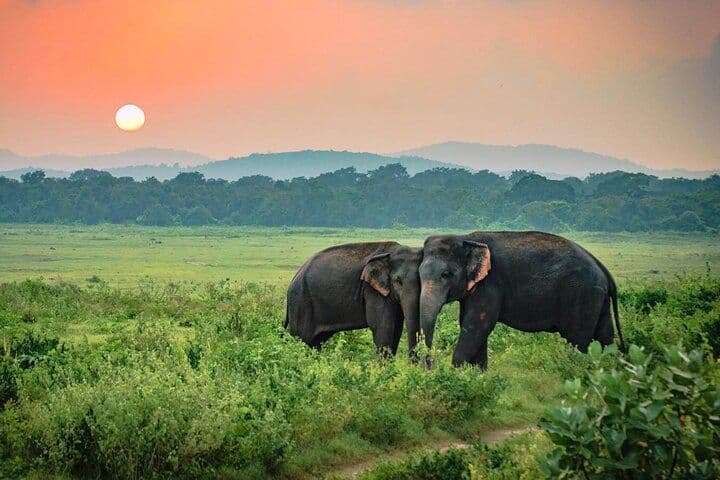
Sri Lanka is famous for its confusing weather patterns. You can be soaking up the sun on the south coast while it pours with rain in the hills. For travelers planning a safari, this leads to a common panic: "Will rain ruin my safari?" or "Will I see animals if it's dry?"
Udawalawe National Park is unique because it offers fantastic sightings year-round, but the type of experience changes drastically depending on when you visit. The park transforms from a dusty, golden savannah into a lush, jungle-like paradise.
Here is a realistic breakdown of the two distinct faces of Udawalawe to help you decide which backdrop you want for your adventure.
The Dry Season (May to September): The "Thirst Trap"
For the classic safari experience the one you see in documentaries this is the prime window. During these months, the rains cease, the sun beats down, and the smaller waterholes in the deep bush dry up.
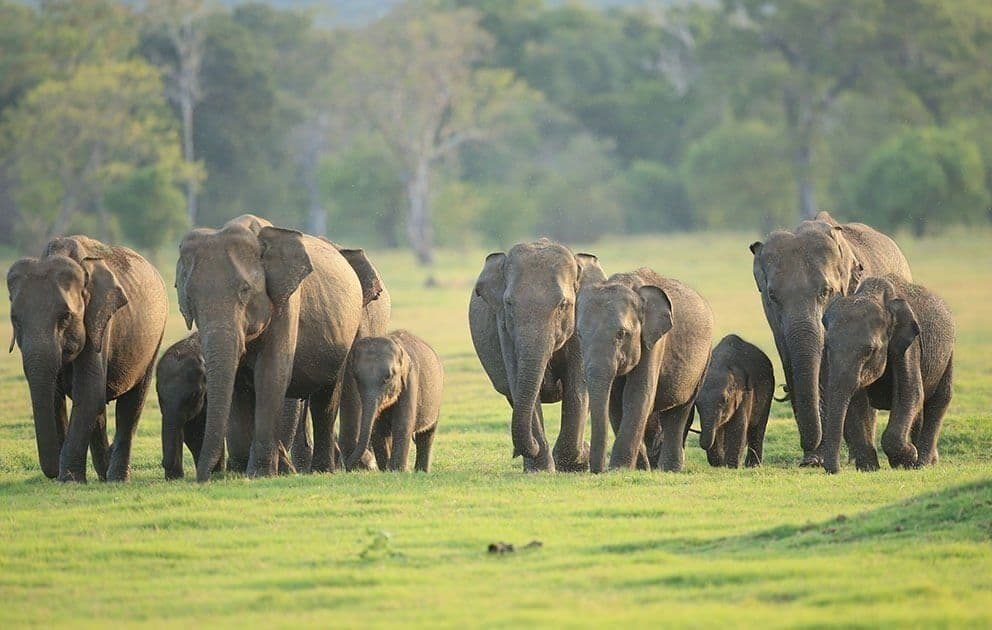
Why it is great for sightings: This season operates on a simple survival mechanism: Water. As the jungle dries out, elephants and other wildlife have no choice but to leave the cover of the forest and congregate at the only remaining water source the massive Udawalawe Reservoir.
- The "gathering" effect: You are far more likely to see large herds (sometimes groups of 20-30) interacting, bathing, and drinking together.
- Visibility: The tall grass dies back and turns brown, making it much easier to spot smaller animals like jackals, deer, and monitors across the open plains.
The Trade-off: It gets hot. Extremely hot. The landscape is parched, dusty, and brown. You will leave the park covered in a fine layer of red grit.
The Wet Season (October to January): The Green Transformation
When the North-East Monsoon (Maha) arrives, the park undergoes a stunning makeover almost overnight. The dust settles, and the brown earth erupts into vibrant shades of neon green.
Why it is beautiful:
- Scenery: The park is at its most photogenic. The contrast between the dark grey storm clouds, the lush green grass, and the dark grey skin of the elephants is breathtaking.
- Solitude: Fewer tourists visit during these months, meaning you might have entire sections of the park to yourself.
- Healthy Animals: The elephants look cleaner (washed by the rain) and healthier as food is abundant everywhere.
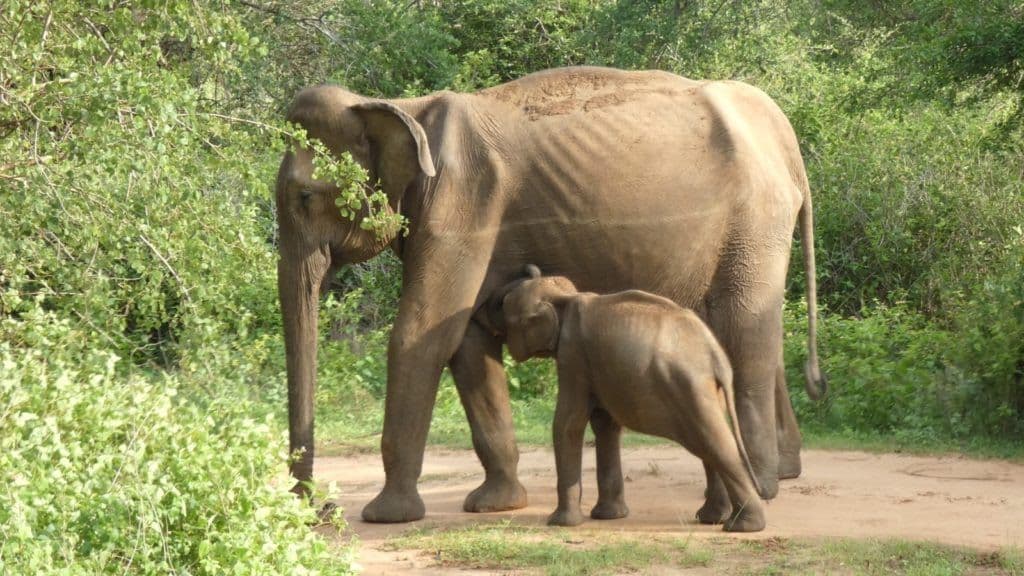
The Reality Check: Because water is available in puddles and streams throughout the jungle, the animals do not need to come to the main roads or reservoir to drink. They disperse deep into the bush. You will still see elephants they are too big to hide completely but you are more likely to see solitary bulls or mothers with calves rather than the massive super-herds of the dry season.
The Mud Factor: Jeep Adventures
The wet season brings a logistical challenge: Mud.
Udawalawe’s tracks are dirt, not tarmac. Heavy rains can turn these tracks into slip-and-slide adventure courses.
- The Risk: Occasionally, jeeps can get stuck. While this adds a sense of adventure, it can delay your trip.
- The Reward: It keeps the "city vans" and less capable vehicles away, leaving the tracks open for true 4x4s.
- Note: If you visit during this time, ensure you book a 4x4 with proper mud tires, not a standard van or SUV.
The Hidden Perk: Migrant Birds
If you are a birdwatcher, the "wet" season is actually your "peak" season. From November onwards, the migrant birds arrive from the north to escape the winter. The park fills with new species that are absent during the dry months, and the overcast sky acts as a giant soft-box, providing excellent diffused light for photography without the harsh shadows of the dry season sun.
The Verdict: Which Should You Choose?
- Choose the Dry Season (May - Sept) if your main goal is volume. If you want to see as many elephants as possible in one place and don't mind the heat and dust, this is your time.
- Choose the Wet Season (Oct - Jan) if you are a photographer or nature lover. If you prefer lush landscapes, dramatic skies, and don't mind working a little harder to find the animals in exchange for a private, peaceful experience, the rain brings a magical atmosphere to the park.
Ultimately, Udawalawe never truly closes for business. Whether dusty or muddy, the giants are always there.
Enjoyed this story? Share it
About the Author
Isuru Abeywickrama
A passionate wildlife explorer and travel storyteller dedicated to uncovering the majestic elephant herds, epic whale watching encounters, legendary surf breaks, and the laid-back tropical spirit of Mirissa — the jewel of Sri Lanka's southern coastline.