The Tropical Quench: A Guide to Udawalawe's Juices, Fruits, and King Coconut (Thambili)

Kavindi Weerasinghe
Safari Writer
Udawalawe is hot. It is a dry, dusty heat that seeps into your bones after a four-hour safari in an open-top jeep. While water is essential, sometimes plain H2O just doesn't cut it. You need sugar, electrolytes, and cold, refreshing flavor.
Luckily, the roads around Udawalawe are a natural vending machine of tropical hydration. Forget the sugary soda; the best drinks here grow on trees. Here is your guide to the liquid gold you will find at the roadside stalls.
The King of Hydration: Thambili (King Coconut)
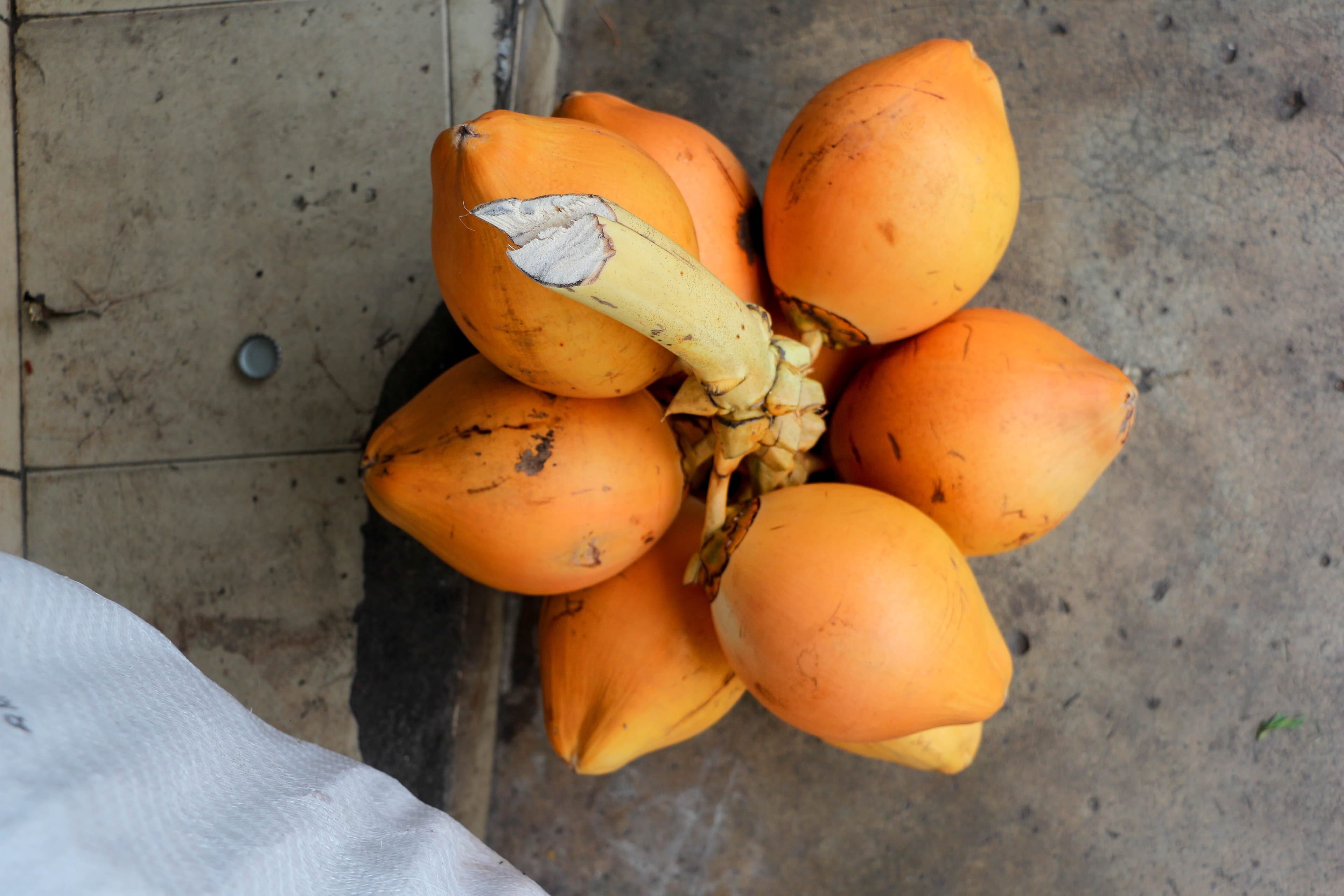
You cannot visit Sri Lanka without trying the Thambili. Unlike the green coconuts you might see in other tropical countries, the King Coconut is indigenous to Sri Lanka and is instantly recognizable by its bright orange shell.
Why it is better than water: It is nature’s sports drink. The water inside is packed with electrolytes potassium, sodium, and magnesium making it the ultimate rehydration cure after sweating in the safari sun. It is sweeter and nuttier than the water from a green coconut.
How to order: Pull over at any stall displaying bunches of orange nuts. The vendor will use a machete to hack off the top in seconds. Drink the water first. Then, ask the vendor to split the shell open. Use a piece of the outer shell as a spoon to scoop out the thin, jelly-like flesh inside. It is a zero-waste, 100% delicious snack.
The Woodapple: The Elephant’s Favorite (And Maybe Yours)
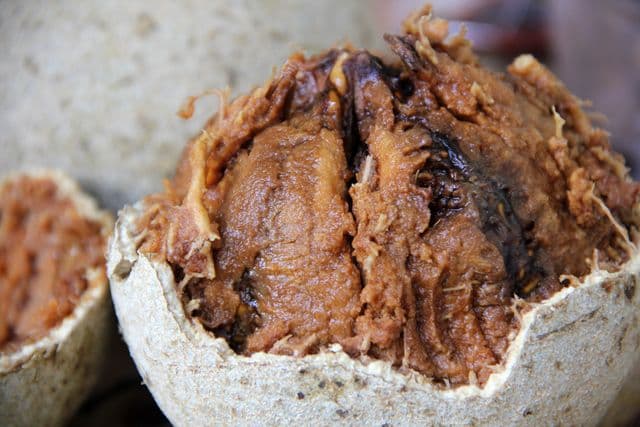
You will see heaps of round, hard, greyish-brown fruits that look like stones or cricket balls. This is the Woodapple (Divul).
The Reality Check: It is an acquired taste. The shell is hard as wood (hence the name), and the inside looks like a dark brown, sticky pulp. It smells pungent somewhere between blue cheese and raisins.
How to drink it: Do not try to eat it raw unless you are brave. The best way to enjoy it is as a thick smoothie or juice. The pulp is blended with coconut milk and jaggery (palm sugar). The result is a sweet, sour, and creamy drink that tastes remarkably like tamarind or a chocolate-fruit mix. It is incredibly refreshing and a favorite of the wild elephants, too you might see them crushing the fallen fruits in the park!
The Fruit Stall Experience
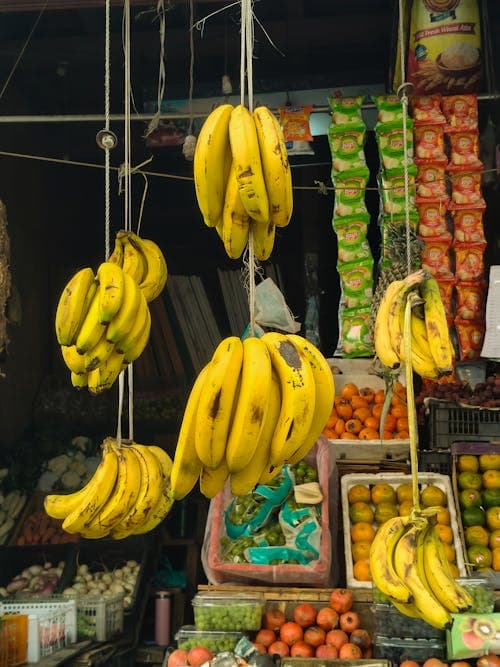
The road from Embilipitiya to Udawalawe is lined with small wooden huts bursting with color. These aren't just for decoration; they are the best places to buy breakfast or snacks.
Look out for:
- Bananas: You will see red, yellow, and green varieties. Try the tiny yellow "Ambul" bananas they are sour-sweet and bursting with flavor.
- Mangoes: Depending on the season, you can find "Karthakolomban" (large, juicy, sweet) or the smaller, fibrous wild mangoes.
- Papaya: Sri Lankan papaya is often sold with a squeeze of lime to enhance the sweetness.
Fresh Juices: Lime and Passion Fruit
If you sit down at a local "kade" (shop) for lunch, skip the Coke and order a fresh juice.
- Lime Juice: This is usually served salty and sweet. It is immensely cooling.
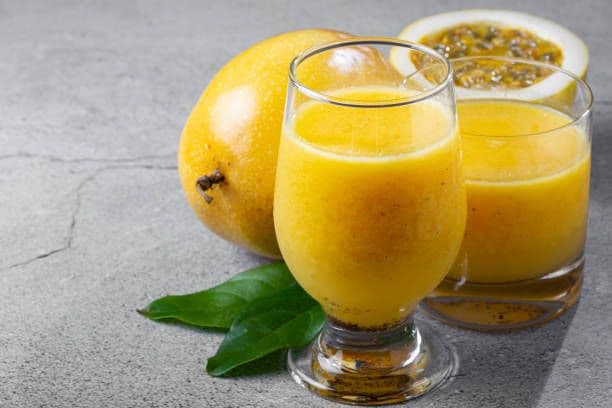
- Passion Fruit: Sri Lankan passion fruit is yellow, not purple. The juice is incredibly aromatic, tart, and usually served with the crunchy black seeds strained out (though some locals love the crunch).
Spicy Fruit? The "Achcharu" Twist
If you see a glass cabinet with jars of fruit submerged in vinegar or piles of fruit covered in red powder, you have found Achcharu.
Sri Lankans love to pickle their fruit. You will find raw mango, pineapple, amberella (hog plum), and guava mixed with salt, pepper, vinegar, and chili flakes. It sounds intense and it is but the combination of sour fruit, heat, and salt is addictive. It wakes up your palate and is the perfect savory snack to nibble on while waiting for your jeep.
So, next time the heat hits you, look for the orange coconuts or the colorful fruit stalls. It’s the cheapest, healthiest, and tastiest way to survive the Udawalawe sun.
Enjoyed this story? Share it
About the Author
Kavindi Weerasinghe
A passionate wildlife explorer and travel storyteller dedicated to uncovering the majestic elephant herds, epic whale watching encounters, legendary surf breaks, and the laid-back tropical spirit of Mirissa — the jewel of Sri Lanka's southern coastline.