The Ultimate Guide to Udawalawe Safari: First-Timer Tips and Must-See Spots

Sithmi Fernando
Safari Writer
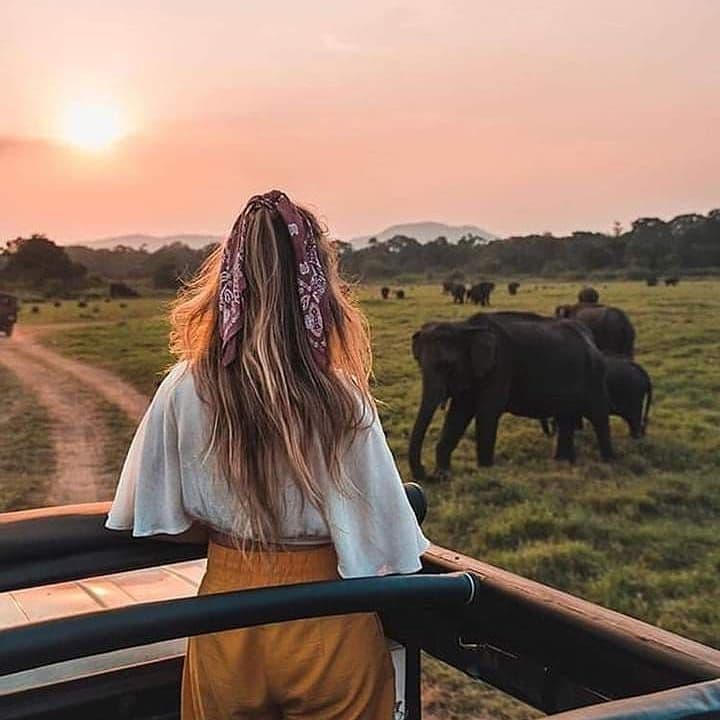
Welcome to Udawalawe, the undisputed elephant capital of Sri Lanka.
Forget the crowds and the long waits if your wildlife dream is to witness hundreds of wild Asian elephants roaming in their natural habitat, then Udawalawe National Park is the only place you need to be. This isn't just another safari; it’s an immersive, guaranteed spectacle, where the open, scrub-jungle landscape ensures you get front-row seats to one of nature’s greatest shows.
For a first-timer, preparing for a safari can feel overwhelming, but this guide breaks down everything you need to know, from the best time to go to the unmissable spots inside the park, ensuring your adventure is seamless, ethical, and utterly unforgettable.
Why Udawalawe is Sri Lanka’s Safari King
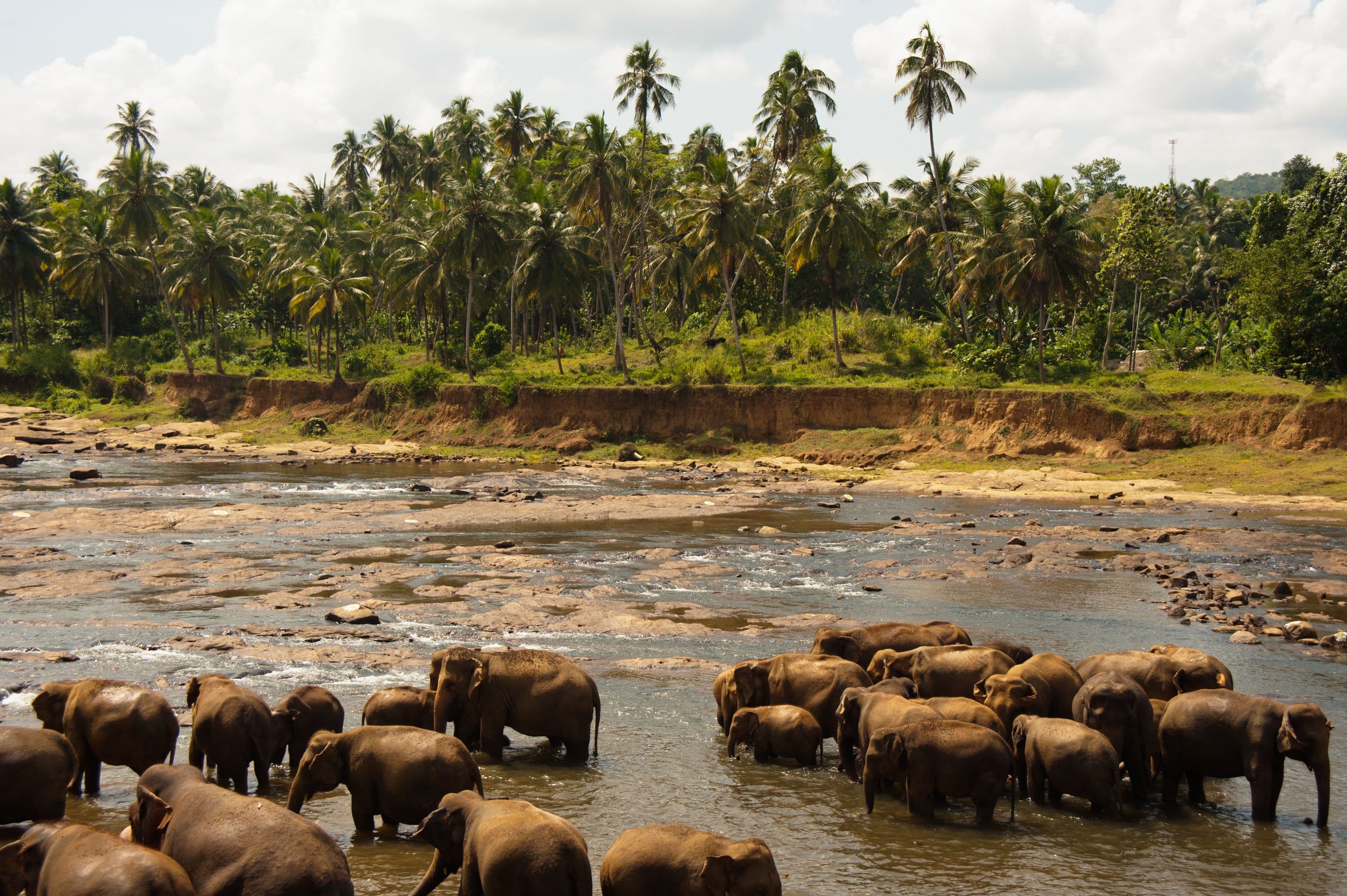
Udawalawe's unique ecosystem, centered around the vast Udawalawe Reservoir, guarantees an experience unmatched by any other park in Sri Lanka. The park was originally created to provide a sanctuary for wildlife displaced by the reservoir's construction, and today, it is home to a permanent herd of over 500 elephants.
Unlike other parks that are known for elusive big cat sightings, Udawalawe offers a near 100% guarantee of seeing large herds of elephants, which freely roam the open grasslands and congregate near water sources. This open terrain makes spotting and photography effortless, transforming even a four-hour drive into a non-stop wildlife viewing opportunity.
Essential First-Timer's Planning Checklist
Your safari begins long before you enter the park gates. Follow these essential tips for a smooth experience:
- Timing is Everything: The park is open from 6:00 AM to 6:00 PM daily. The absolute best time for activity is the Morning Safari (6:00 AM), where you catch the sunrise and the wildlife at its most active, or the Afternoon Safari (2:30 PM), which captures the golden hour light and animals moving toward the reservoir.
- Booking Your Jeep: Always book your private jeep safari through your accommodation or a reputable local operator beforehand. This avoids lengthy negotiations at the gate and ensures you have an experienced, calm driver who knows the park’s tracks.
- Fees and Pricing: As of early 2025, the park entrance fee for foreigners is approximately USD $25–$30 per adult, plus taxes and service charges, which are generally calculated per vehicle group. Expect a half-day private jeep tour (including all fees) to cost roughly USD $65–$80 per person (minimum two people). Always confirm the final price covers the entrance ticket, the jeep rental, and the driver/guide fee.
- What to Wear: Opt for light, breathable, neutral-coloured clothing (khaki, olive green, brown) to minimize disturbance to the animals. A wide-brimmed hat, sunglasses, and a light jacket for the chilly pre-dawn start are essential.
Beyond the Elephants: The Udawalawe Ecosystem
While the elephants are the main draw, Udawalawe is a biodiverse paradise. Keep your eyes peeled for the supporting cast of characters:
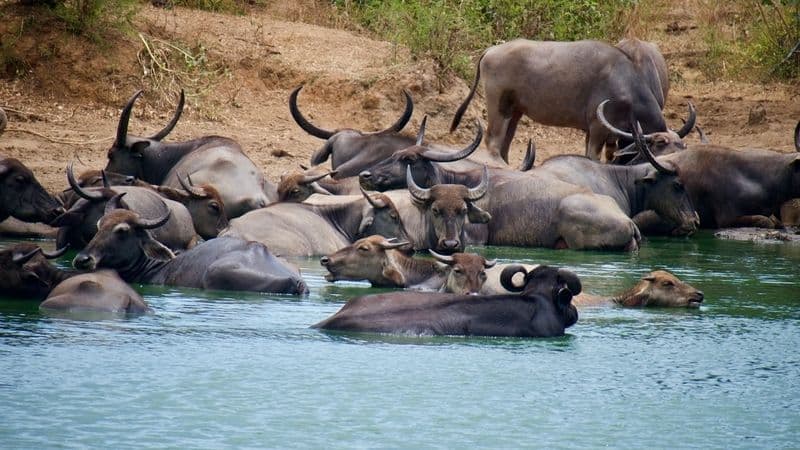
- Water Buffalo and Crocodiles: These are almost always seen lounging lazily in the large waterholes and along the banks of the reservoir.
- The Golden Jackal: Often spotted in the mornings, these shy canids hunt on the open plains.
- Exotic Birdlife: Look up! Udawalawe is a birder’s dream, hosting species like the stunning Peacock, the Crested Serpent Eagle, and various Kingfishers.
- Reptiles: Monitor lizards and land monitors are common sights, sunning themselves on the dusty tracks.
Must-See Spots Inside the Park
A good guide will know the daily movements of the herds, but these locations are vital parts of the park’s landscape:
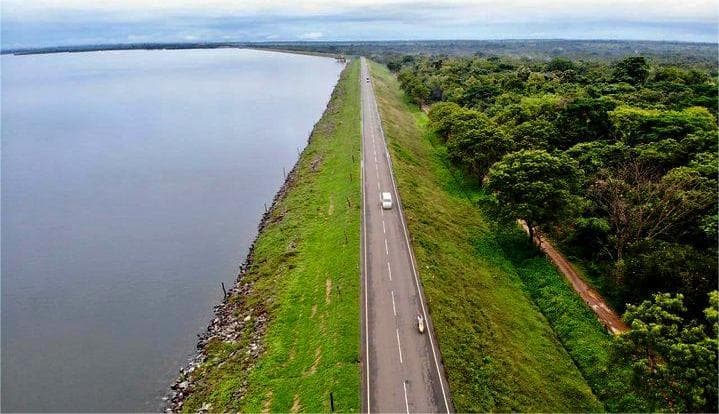
- The Udawalawe Reservoir: The lifeblood of the park. The open areas surrounding the reservoir are where the largest herds of elephants gather to drink, bathe, and socialize. This is your number one spot for magnificent photo opportunities.
- The Weli Oya Area: Known for its dense scrub and often featuring unique bird sightings and smaller mammal activity.
- Seenuggala: An area with denser jungle sections, offering a different landscape and a greater chance of spotting deer and wild boar.
Ethical Safari Etiquette and Safety
To ensure your presence does not disturb the wildlife, it is crucial to follow respectful and ethical guidelines:
- Stay in the Jeep: You are never permitted to leave the safari vehicle once inside the park (except at designated picnic points). This is for both your safety and the safety of the animals.
- Maintain Silence: Avoid loud talking, shouting, or sudden movements, especially near elephants. Your driver will turn off the engine when parked near animals, allowing you to listen to the natural sounds of the bush.
- Do Not Feed the Animals: Feeding wild animals is strictly forbidden and disrupts their natural feeding patterns.
- Distance is Respect: Your experienced guide will ensure the jeep maintains a safe and respectful distance from the wildlife. Never urge your driver to approach too closely.
By choosing a reputable local company and adhering to these rules, you contribute directly to the sustainable and responsible future of Udawalawe’s precious wildlife.
Ready to dive deeper into your Udawalawe trip? Check out our next guide on "The Secret to Amazing Hoppers: Finding the Best Appa and String Hoppers near the Park" to plan your post-safari meal!
Enjoyed this story? Share it
About the Author
Sithmi Fernando
A passionate wildlife explorer and travel storyteller dedicated to uncovering the majestic elephant herds, epic whale watching encounters, legendary surf breaks, and the laid-back tropical spirit of Mirissa — the jewel of Sri Lanka's southern coastline.