Visiting the Elephant Transit Home (ETH): How Your Visit Supports Conservation

Leo Matthews
Safari Writer
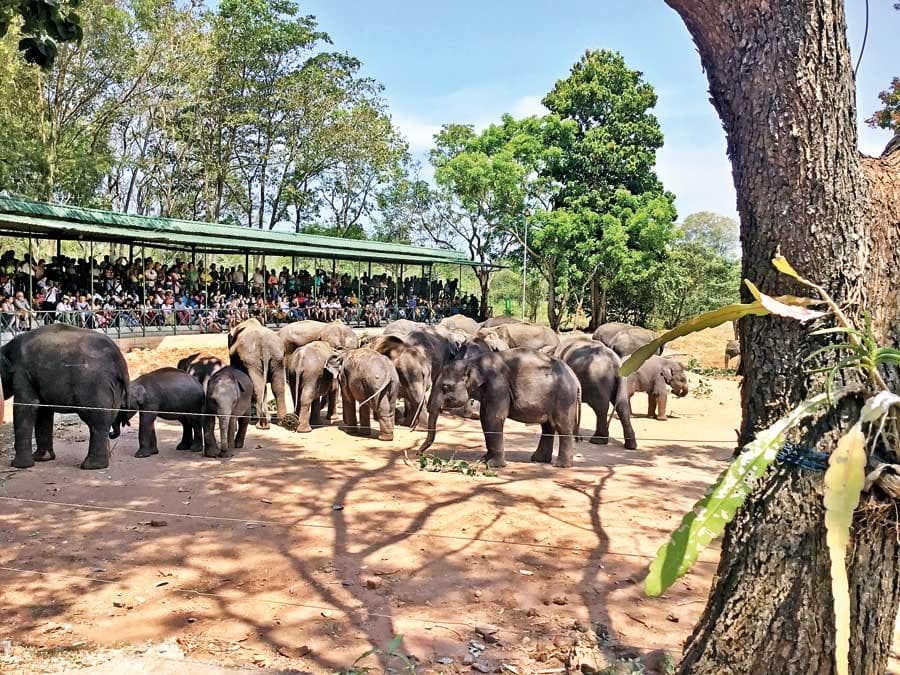
If seeing a wild elephant on safari is thrilling, watching a clumsy, three-month-old calf tripping over its own trunk while rushing for milk is pure, unadulterated joy.
But the Udawalawe Elephant Transit Home (known locally as Ath Athuru Sevana) is not a petting zoo. It is one of the most successful wildlife rehabilitation centers in the world. Located just a 15-20 minute drive from the main National Park entrance, this facility has a singular, noble goal: to raise orphaned elephant calves and return them to the wild.
For the responsible traveler, this is the perfect addition to your safari itinerary. Here is everything you need to know about visiting the ETH, including why it is the "good guy" of elephant tourism in Sri Lanka.
The Feeding Frenzy: A Must-See Spectacle
The elephants at the ETH spend their days roaming freely in the park grounds, monitored by researchers but largely left to be elephants. They only return to the center for one thing: Milk.
As a visitor, you are allowed to witness these feeding sessions from a designated viewing platform. The experience is predictable yet hilarious:
The Wait: You stand on the platform, looking out at the open bush.
The Trumpet: A distant trumpet sounds, followed by the rumble of tiny feet.
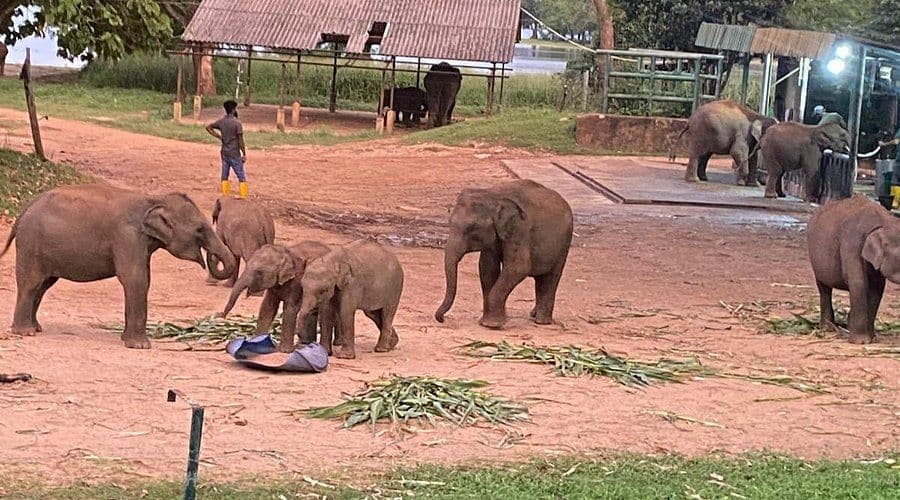
The Rush: Suddenly, dozens of baby elephants burst from the trees, racing toward the feeding station. The smallest ones are often the loudest!
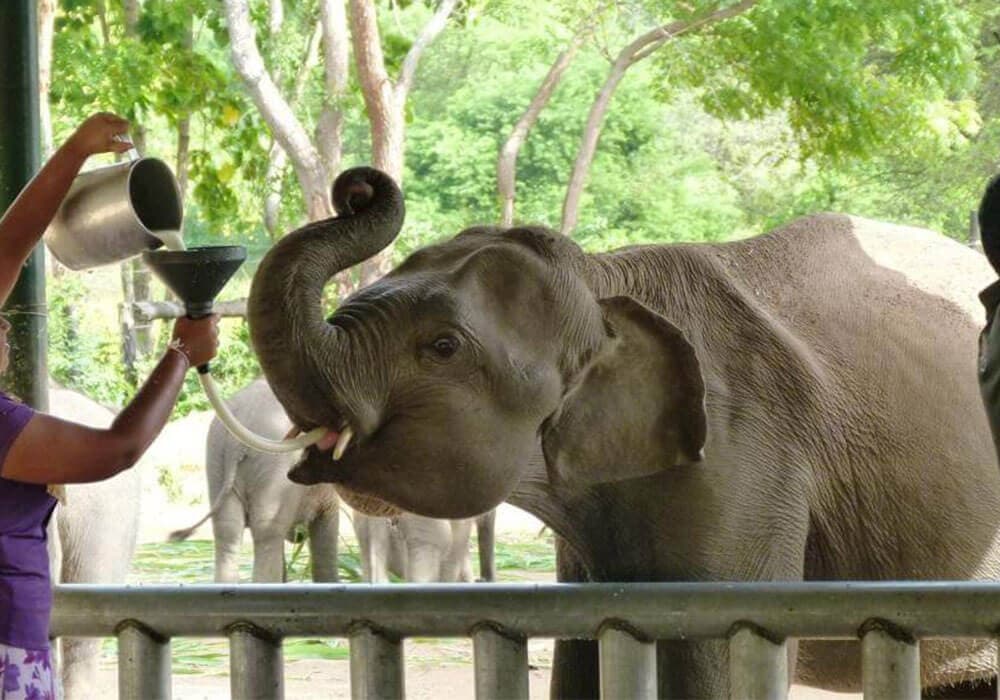
The Feed: Rangers feed them special milk formula through plastic hoses attached to large funnels. The speed at which they gulp the milk is staggering.
Crucial Info: Feeding Times and Tickets (2025 Updates)
Unlike a zoo, you cannot just walk in and see animals anytime. You must time your visit to coincide with the feeding hours.
- Public Viewing Times: The most popular times for visitors are usually 10:30 AM, 2:30 PM, and 6:00 PM.
- Pro Tip: The 9:00 AM and 12:00 PM (Noon) slots exist on paper, but the 10:30 AM and 2:30 PM slots are widely cited by local drivers as the best for tourists to ensure a good view without interfering with park operations. Always check the current schedule at your hotel reception before you leave.
- Ticket Price: Approximately $5 USD (around 1,500–2,000 LKR depending on exchange rates). This is separate from your National Park safari ticket.
- Location: The ETH is located directly on the main road (B427), about 5km west of the Udawalawe National Park entrance. You do not need a jeep to get here; a tuk-tuk is perfect.
The Big Question: ETH vs. Pinnawala
If you are researching Sri Lanka, you have likely heard of the Pinnawala Elephant Orphanage. It is vital to understand the difference, as they offer two very different types of tourism.
- Pinnawala (The "Zoo" Model): Pinnawala often allows tourists to touch, bathe, and pose with elephants. While popular, it operates more like a captive zoo. Elephants born there often stay there for life or are sent to temples.
- Udawalawe ETH (The "Rehab" Model): The ETH is strictly hands-off.
- No Touching: You cannot pet, ride, or bathe the babies.
- No Posing: You watch from a distance (about 10–15 meters away) on a raised platform.
- The Goal is Release: The babies are discouraged from bonding with humans so they can survive in the wild later.
If you care about ethical wildlife experiences, Udawalawe ETH is the superior choice. Your ticket money goes directly toward the expensive milk formula needed to keep these orphans alive until they are strong enough to go back to the jungle.
More Than Just Cute Photos
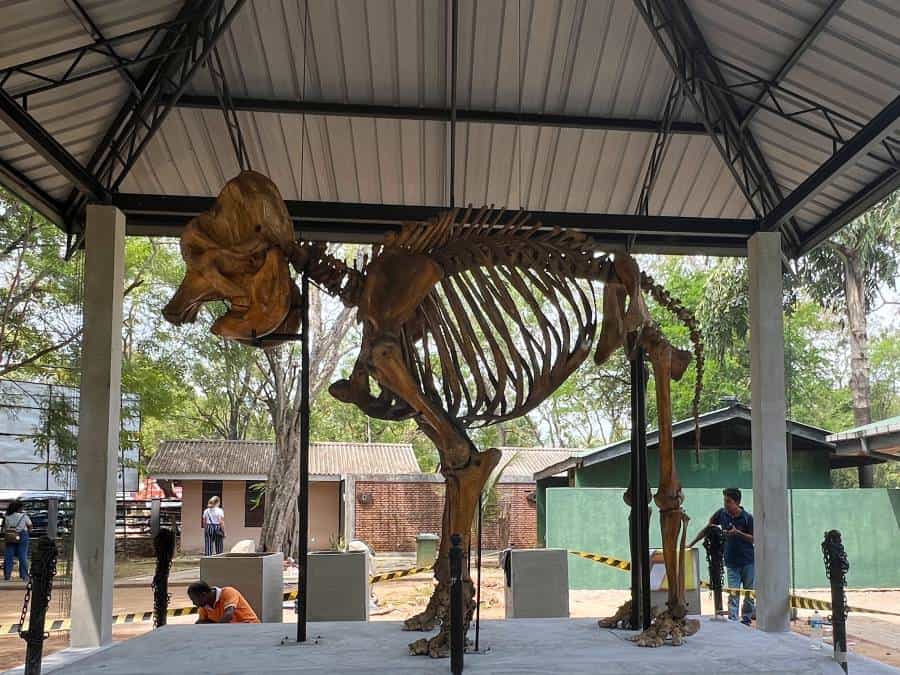
Before or after the feeding, take 20 minutes to walk through the small museum and information center attached to the ticket office.
It is a sobering but important experience. You will see the skeleton of "Sandagiriya," a majestic tusker, and read stories about how these calves became orphans often due to human-elephant conflict (H.E.C.), gunshots, or falling into agricultural wells. It adds a layer of realism to your visit, reminding you that every cute baby you just saw is a survivor of a tragedy.
Final Verdict: Is it Worth It?
Absolutely. The visit only takes about 45 minutes to 1 hour. It fits perfectly before your afternoon safari or after your morning one. Seeing a 3-month-old elephant throw a tantrum because he finished his milk is a travel memory that is equal parts adorable and heartbreakingly real.
Enjoyed this story? Share it
About the Author
Leo Matthews
A passionate wildlife explorer and travel storyteller dedicated to uncovering the majestic elephant herds, epic whale watching encounters, legendary surf breaks, and the laid-back tropical spirit of Mirissa — the jewel of Sri Lanka's southern coastline.