Where to Stay: Glamping, Boutique Hotels, and Budget Guesthouses near Udawalawe

Leo Matthews
Safari Writer
For years, Udawalawe was a "pass-through" town. Tourists would drive in, see the elephants, and drive out. Consequently, the accommodation options were limited to basic roadside rooms.
That has completely changed.
Today, Udawalawe offers some of the most unique and varied accommodation in Sri Lanka. Whether you want to sleep under canvas listening to the jackals howl, relax in an infinity pool after a dusty drive, or save money in a warm family home, there is a bed for you.
Here is a realistic breakdown of the three main accommodation styles available near the park.
The Glamping Boom: Luxury Under Canvas
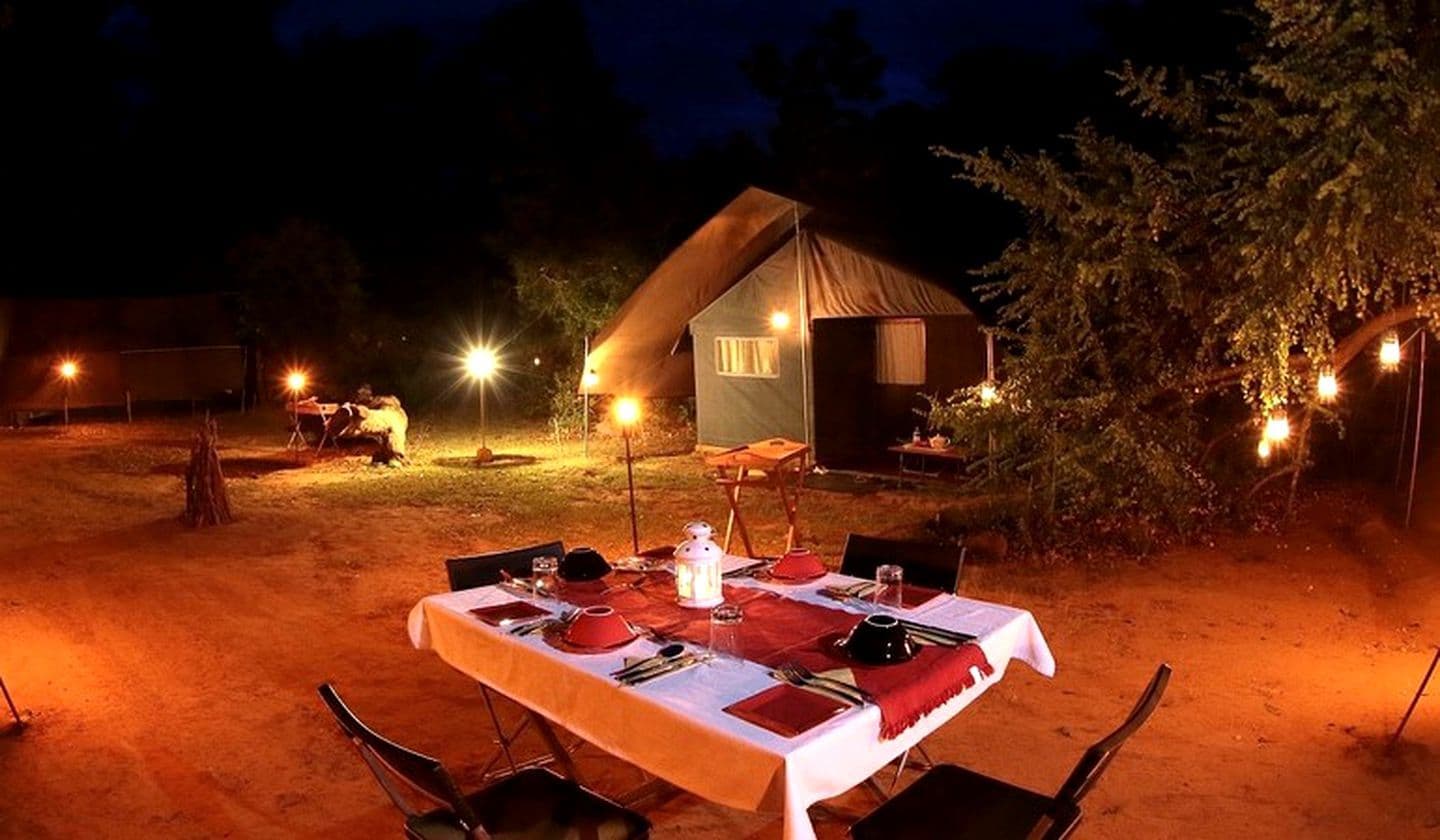
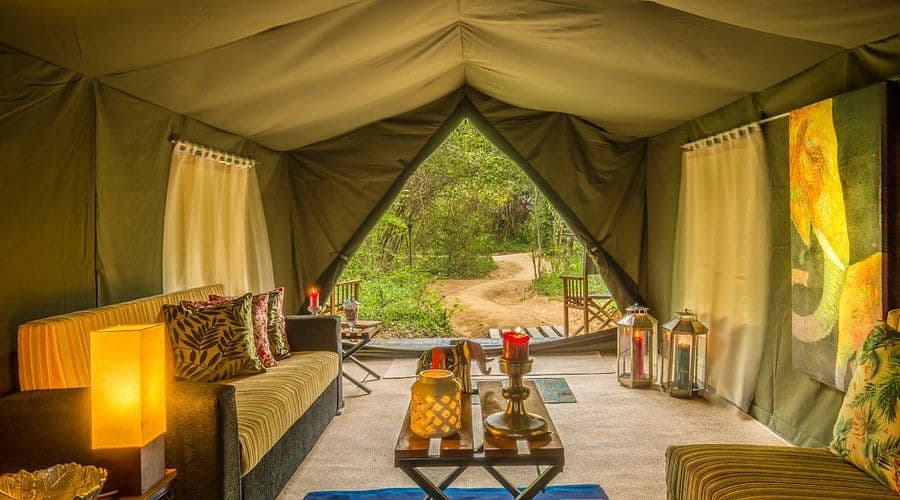
If you want the full "Out of Africa" experience without sacrificing comfort, this is the way to do it. "Glamping" (Glamorous Camping) has exploded in popularity here.
What to Expect: You are sleeping in a tent, but it is larger than most city apartments. These are semi-permanent structures with heavy canvas walls, erected on raised wooden platforms. Inside, you will find air-conditioning (essential in the dry zone heat), king-sized beds with high-thread-count linens, and fully functioning en-suite bathrooms with hot rain showers.
The Vibe: The magic happens at night. The canvas walls mean you can hear the sounds of the jungle the peacocks calling, the wind in the trees, and the distant rumble of elephants while safe in a luxury bed. Many of these camps offer private BBQ dinners outside your tent by a fire pit.
Who is it for? Couples, honeymooners, and families who want an adventurous atmosphere but refuse to compromise on luxury amenities.
Boutique Comfort: Solid Walls and Pools
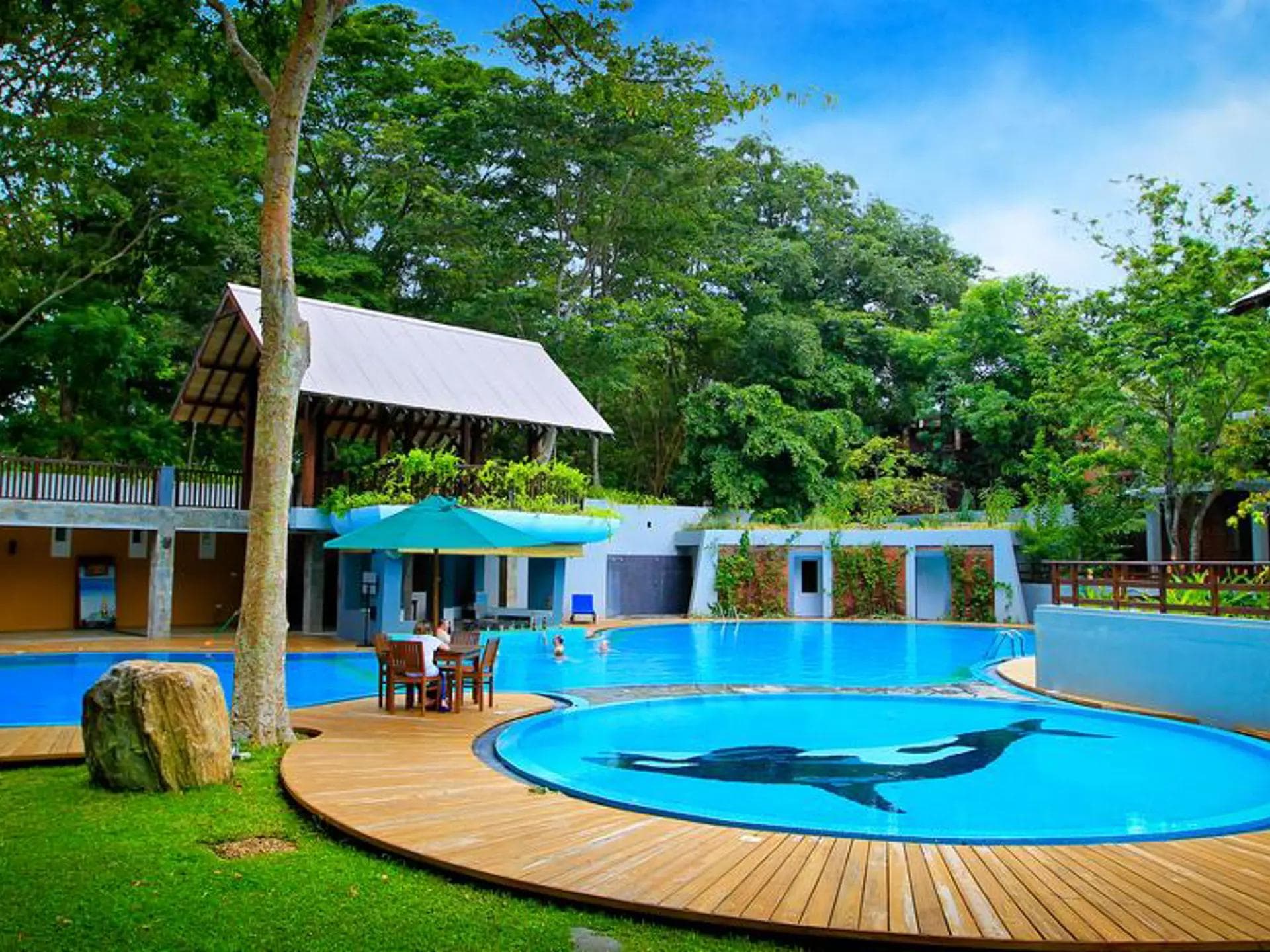
Sometimes, after a long day in a vibrating jeep, you just want a solid roof, a cold AC unit, and a swimming pool.
What to Expect: Over the last five years, several "Grand" and "Resort" style hotels have opened. These are small-scale boutique properties, usually with 10–20 rooms. They focus on modern architecture think polished concrete, large glass windows, and open-air lobbies.
The Highlight: The pool. Udawalawe is hot. Returning from a morning safari at 10:00 AM and jumping straight into a cool pool is one of the best feelings in the world. Many of these hotels position their pools to overlook the surrounding scrubland, so you can birdwatch while you swim.
The Budget Guesthouses: The Heart of Udawalawe
This is where Udawalawe truly shines. The area is dotted with hundreds of small, family-run guesthouses.
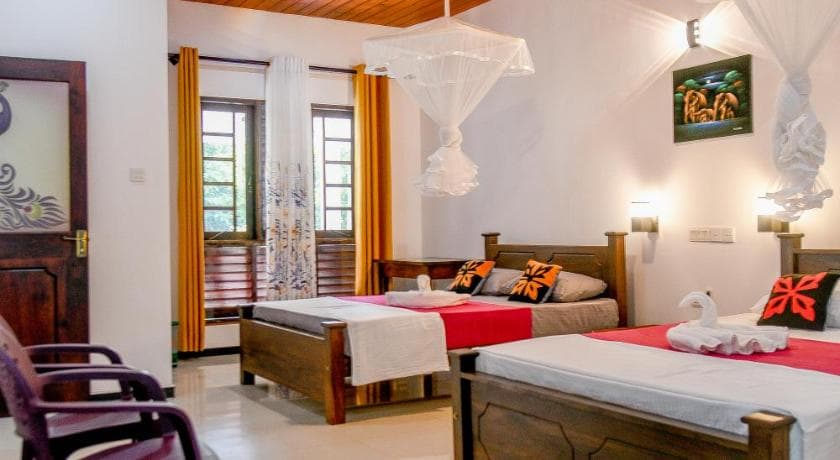
What to Expect: These are often extensions of a local family's home. The rooms are simple: tiled floors, a bed with a mosquito net, a ceiling fan (some have AC for an extra charge), and a private bathroom. They are spotlessly clean but basic.
The Real Value: The food and the hospitality. When you stay here, the owner is usually your chef and your safari organizer. You will eat the best home-cooked rice and curry of your life, made by the host's mother or wife. They will arrange your jeep safari for a fair "local price" rather than the inflated tourist rate, often accompanying you or sending a trusted relative as the driver.
Who is it for? Backpackers, solo travelers, and anyone who values authentic cultural connection over luxury linens.
Location Matters: The "Junction" vs. The "Wild"
When booking, look at the map carefully.
- Near the Entrance (7th Mile Post): This area is closest to the park gate. It is quieter, more spread out, and feels more "in the jungle." This is where most glamping sites and luxury resorts are located.
- Udawalawe Junction / Town: This is the busy intersection where the shops and bus stops are. It is noisier and less scenic, but it is convenient for cheap food and transport. Budget guesthouses here are very affordable, but bring earplugs for the traffic noise.
The Verdict
- Splurge: Book a Luxury Tented Camp for a memorable, atmospheric night.
- Relax: Book a Boutique Hotel with a Pool if you are staying for two nights or traveling with kids who need to swim.
- Save & Connect: Book a Family Guesthouse if you want to save money and experience genuine Sri Lankan hospitality.
Whichever you choose, book in advance during the peak seasons (December–January and July–August), as the best spots fill up fast.
Enjoyed this story? Share it
About the Author
Leo Matthews
A passionate wildlife explorer and travel storyteller dedicated to uncovering the majestic elephant herds, epic whale watching encounters, legendary surf breaks, and the laid-back tropical spirit of Mirissa — the jewel of Sri Lanka's southern coastline.